
Cars in the Summer Heat: Deadly for the Elderly
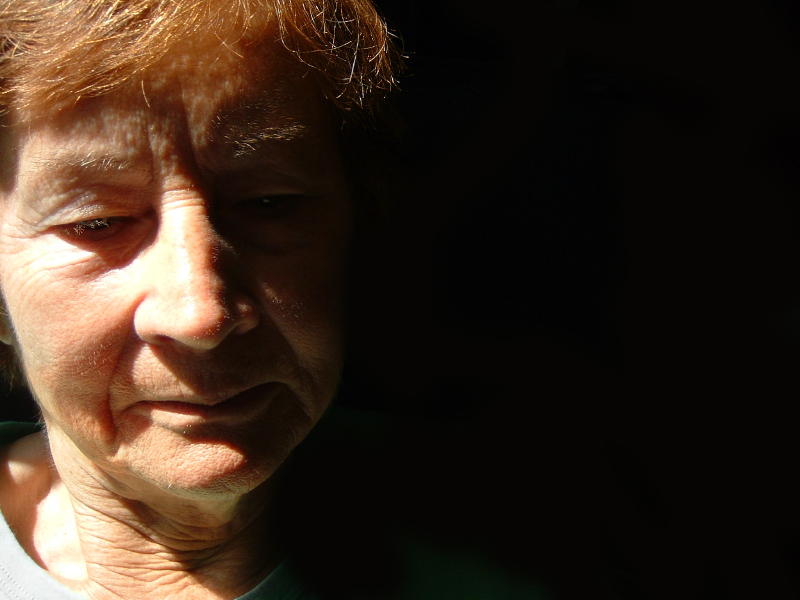 While the news is often filled with tragic reports of children being left in cars and suffering heat stroke, they’re not the only ones in danger. Your elderly loved one might say she’s fine being left in the car, but it only takes minutes for the heat in a vehicle to turn deadly.
Construction Sites Pose Many Risks to Pedestrians

As a pedestrian walking around New York, you will inevitably find yourself near a construction site of some kind: new buildings, repairs or remodels of existing structures, housing developments, and so on. In these areas, numerous hazards and dangers present themselves.
Is Your Employer Providing the Right Safety Gear?
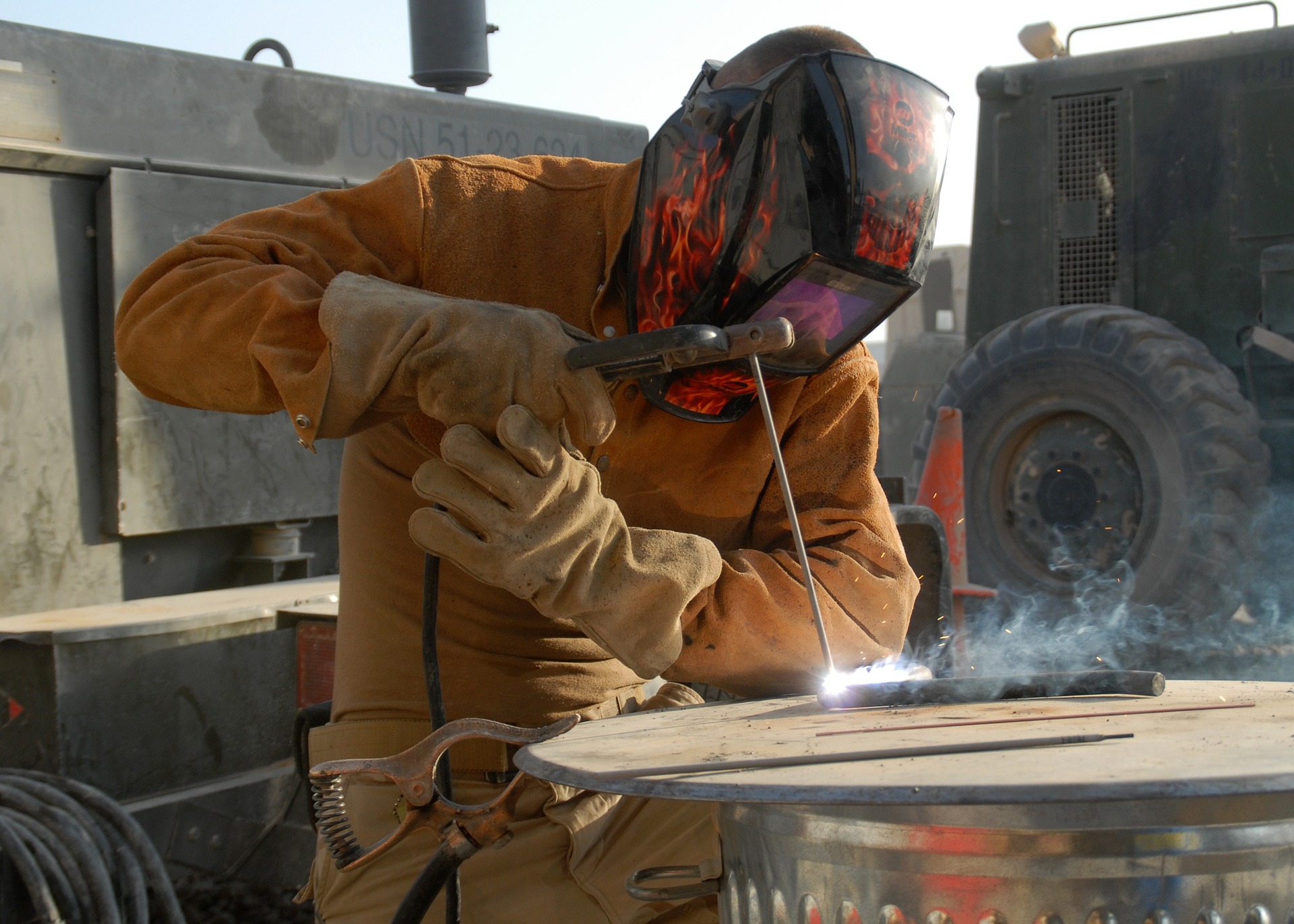
The right safety gear can mean the difference between a safe work environment and a deadly injury on the job.
What gear? Well, common safety equipment includes helmets, knee and elbow pads, eye and ear protection, and fire extinguishers. You can speak with your employer about the safety equipment you need—make sure that any gear provided to you is properly maintained and repaired.
Your Hair Looks Fine: Don’t Primp and Drive
 There are three key types of distractions that can occur while driving:
- visual,
- manual, and
- cognitive.
Adjustments to hair and makeup, shaving, or other cosmetic efforts while driving can involve all three types.
Food and Beverages in a Vehicle: Recipe for Danger

Eating or drinking in a car may not be the most common cause of distracted driving accidents, but it’s still a bad idea.
Drivers typically take one or even both hands off the steering wheel while eating, which makes controlling the vehicle more difficult. Grabbing a quick meal while rushing around New York is quite common, but it can be incredibly dangerous to “eat and drive.”
The Sounds of Safety: Driving While Listening to Music
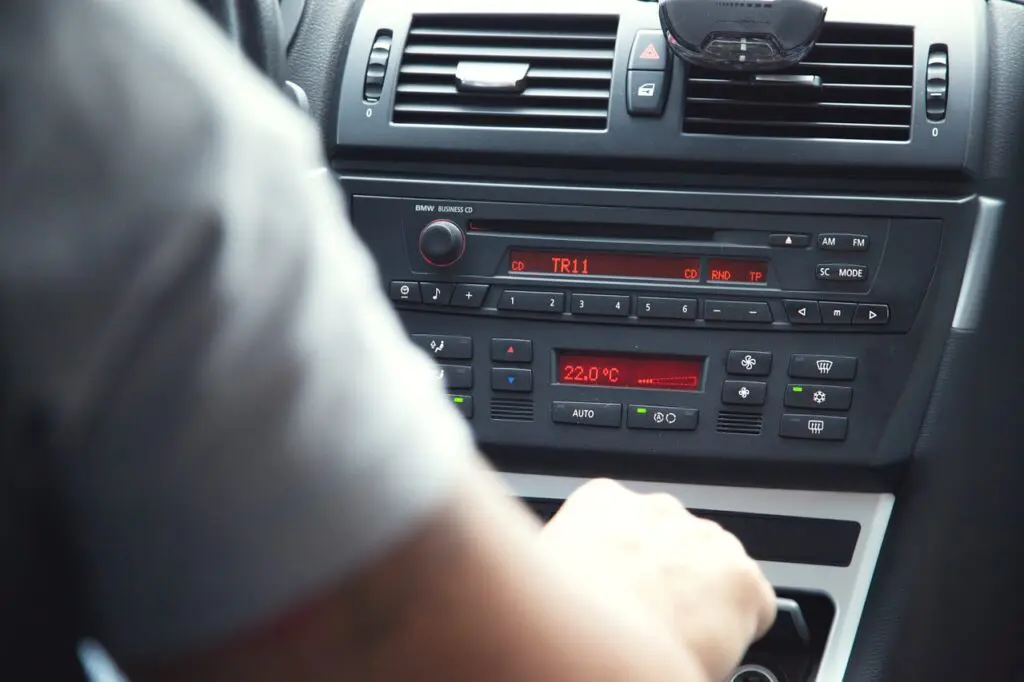 Few things compare to the simple joy of rolling down your windows, turning up some music, and going for a drive in the evening. The feeling of wind in your hair while you listen to the music playing is a great way to unwind after a long day.
It’s easy, however, to get lost in thought while singing along. Driving in New York can be both fun and treacherous, but music can provide distractions that create even greater dangers.
Cell Phones and Driving: A Deadly Combination
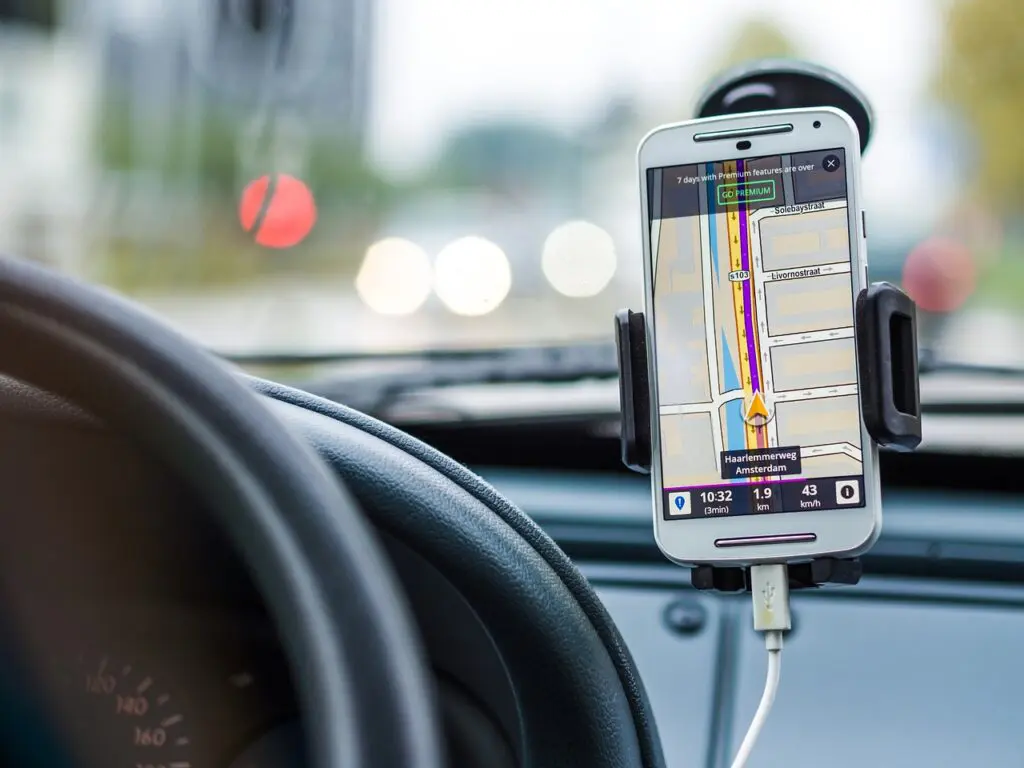 Driving, at the best of times, is a demanding activity that requires eye-hand coordination, attentiveness, and split-second reactions to changing conditions.
In New York, trying to do all these things while texting is to invite disaster. Even talking using a hands-free device poses a distraction and can be very costly.
Two Wheels or Four, Cars and Bicycles Must Share the Road
 In New York, bicycles are allowed to operate on roads just like motorized vehicles. Motorists are expected to “share the road” with bicyclists. If everyone plays his or her part, accidents will be reduced.
The July Effect and Risks of Malpractice
 What’s the “July Effect” in medicine?
Each year in July, hospitals and other medical centers receive an influx of new interns fresh out of medical school. With the addition of inexperienced doctors and interns at each facility, there is a perceived risk of medical errors that result in inferior care.
2016 Motor Vehicle Deaths Highest in Nine Years
 For many years, the number of annual deaths due to vehicle crashes was on the decline.
For the last two years, however, those numbers have started going up, and thousands of people are dying in avoidable accidents across the United States. New York is not free of dangers, and there is a very real concern for drivers and pedestrians across the city.