
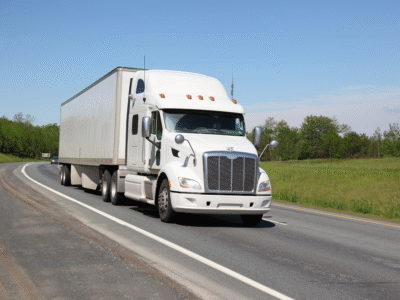
Commercial trucks are a constant presence on Staten Island’s roads, moving goods through New York City and beyond. Trucking companies that cut corners and violate the law to increase profits are putting everyone on the road at risk. When these illegal practices lead to serious accidents, the consequences can be catastrophic.
The experienced Staten Island truck accident lawyers at Wingate, Russotti, Shapiro, Moses & Halperin, LLP know how to uncover the truth behind these cases. Holding trucking companies accountable may require going beyond the driver and exposing systemic violations that contributed to the crash.
The Hidden Dangers Behind Truck Accidents
Many crashes are tied to trucking company negligence. When companies prioritize speed and profit over safety, they create dangerous conditions that can lead to devastating accidents.
Truck company negligence may include:
- Unrealistic delivery schedules
- Pressure to exceed legal driving limits
- Skipped inspections and maintenance
- Poor training and supervision
Understanding Federal Trucking Regulations
The trucking industry is regulated by the Federal Motor Carrier Safety Administration (FMCSA), which sets strict rules designed to prevent accidents. When companies violate these standards, they may be held liable for resulting accidents.
Key regulations include:
- Hours-of-service (HOS) limits
- Mandatory vehicle inspections
- Maintenance requirements
- Speed and operational safety rules
Hours-of-Service Violations and Driver Fatigue
One of the most dangerous types of trucking company violations involves driver fatigue. FMCSA regulations limit how long a truck driver can operate without rest. These rules are designed to prevent fatigue-related accidents.
Truck driver hours-of-service (HOS) violations significantly increase the risk of a fatigued truck driver accident. Trucking companies may be liable when they pressure drivers to:
- Drive longer than allowed
- Falsify logbooks
Unrealistic Delivery Deadlines
Another common safety issue is speeding, which is encouraged by trucking companies with unrealistic delivery schedules. Speeding reduces a driver’s ability to stop safely and increases the severity of collisions, especially with large commercial vehicles.
When companies impose unfeasible deadlines, drivers may feel pressured to:
- Exceed speed limits
- Drive aggressively
- Skip rest breaks
Truck Inspection and Maintenance Violations
Proper maintenance is critical to keeping trucks safe on the road. Unfortunately, some trucking companies fail to conduct necessary repairs and inspections. This can lead to brake failures, tire blowouts, steering malfunctions, and other hazardous consequences.
When mechanical failure contributes to an accident, the trucking company may be held responsible. Violations include:
- Skipping routine inspections
- Ignoring known mechanical issues
- Failing to repair worn brakes or tires
Common Types of Trucking Company Liability
Trucking company liability often plays a central role in injuries suffered by motorcycle riders, pedestrians, cyclists, and drivers and passengers in other vehicles.
Negligent Hiring and Retention
Companies have a duty to hire qualified drivers. If they employ drivers with poor records or fail to remove unsafe drivers, they may be held liable.
Negligent Supervision
Trucking companies must monitor driver behavior and ensure compliance with safety regulations. Failure to do so can contribute to accidents. In some cases, bad company policies create unsafe conditions. For example:
- Incentives for faster deliveries
- Lack of enforcement of safety rules
- Pressure to meet unrealistic quotas
Your Lawyers Will Collect Evidence to Build a Strong Case
Truck accident cases often hinge on evidence that the trucking company controls. Acting quickly is essential to preserve this information.
Key evidence may include:
- Driver logs and electronic logging device (ELD) data
- Black box (event data recorder) information
- Maintenance and inspection records
- Company policies and communications
- Surveillance or dashcam footage
The Role of Expert Witnesses
Truck accident cases may involve complex technical issues. Expert testimony can be essential for establishing liability.
Expert witnesses may analyze:
- Driver fatigue and logbook data
- Vehicle maintenance and mechanical failures
- Accident reconstruction
- Industry safety standards
Compensation for Truck Accident Victims
Because truck accidents often result in severe injuries, these claims can involve substantial damages. Victims of truck accidents may be entitled to significant compensation, including:
- Medical expenses
- Lost income
- Future care costs
- Pain and suffering
- Other damages related to the injury
What to Do After a Truck Accident
These steps can help preserve important evidence and strengthen your case. If you are involved in a truck accident, taking the right steps can protect your claim:
- Seek medical attention immediately
- Report the accident to law enforcement
- Document the scene if possible
- Collect contact information from witnesses
- Avoid speaking with insurance companies without legal guidance
Holding Trucking Companies Accountable
Illegal trucking practices are not just regulatory violations; they are dangerous decisions that put lives at risk. By pursuing legal action, you can hold negligent companies accountable. This will help promote safer industry practices and keep the roads in Staten Island safer for everyone.
Speak With a Trusted Staten Island Truck Accident Lawyer
If you have been injured in a truck crash in Staten Island, we want to hear about it. The experienced personal injury attorneys at Wingate, Russotti, Shapiro, Moses & Halperin, LLP take an aggressive, trial-ready approach to every claim, working to hold companies accountable for unsafe practices.
Call (212) 986-7353 today for a free consultation.
Trucking Company Neglect FAQs
What are common illegal trucking practices that lead to accidents in Staten Island?
Common violations include truck driver hours-of-service (HOS) violations, skipping required rest breaks, failing to perform vehicle inspections, and pressuring drivers to meet unrealistic delivery deadlines.
Can a trucking company be held responsible for a truck accident?
Yes. Trucking company liability often extends beyond the driver. Companies can be held accountable for negligent hiring, poor supervision, unsafe policies, or encouraging drivers to violate federal safety regulations.
How do FMCSA violations affect a truck accident claim?
FMCSA violations and truck accidents can serve as strong evidence of negligence. If a company or driver failed to follow federal safety rules or maintenance requirements, it can significantly strengthen your case.
What types of evidence are important in trucking accident cases?
Key evidence includes driver logs, black box data, maintenance records, inspection reports, and company communications.
What should I do if I suspect illegal trucking practices caused my accident?
You should seek medical attention and consult an attorney as soon as possible. A lawyer can investigate potential violations, preserve critical evidence, and help hold the responsible parties accountable.