
Construction Slip, Trip, and Fall Accidents in Staten Island: Your Legal Rights
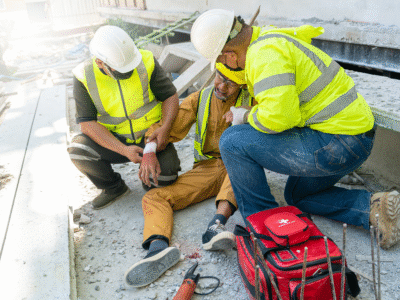
Construction sites across Staten Island are constantly active with residential builds, renovations, and public infrastructure projects happening every day. This growth creates dangerous environments where serious injuries can occur.
When an Unsafe Driver Injures a Construction Worker in the Bronx: Who Is Liable?
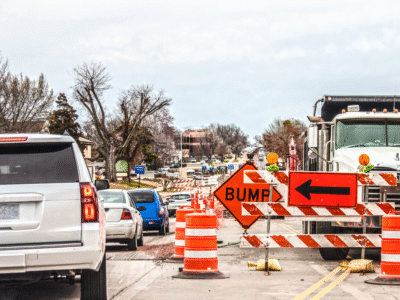
Construction zones in the Bronx are some of the most active and dangerous work environments in New York City. With heavy traffic, ongoing infrastructure projects, and tight urban spaces, workers may be exposed to passing vehicles and speeding drivers who fail to follow basic safety rules.
Proving Your NYC Construction Injury Was Not a Preexisting Condition: What Injured Workers Need to Know
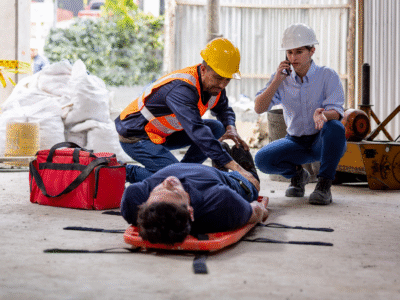
Construction work in New York City is demanding, physical, and often dangerous. When an accident happens, the injuries can be severe, and seeking compensation may become complicated.
One of the most common obstacles injured workers face is the preexisting condition defense, where insurance companies argue that your injuries were not caused by the accident, but by a prior medical issue. This can threaten your ability to recover the money you need to cover medical expenses, lost wages, pain and suffering, and other damages.
Identifying Liable Third Parties in a Manhattan Injured Construction Worker Lawsuit
Construction accidents can cause devastating injuries. Most people know they can file for workers’ compensation, which provides partial wages replacement and other benefits to injured workers. But injured workers could also be eligible to receive significant compensation through a third-party claim or lawsuit.
Why Construction Site Injuries Are Different from Other Types of Work Injuries
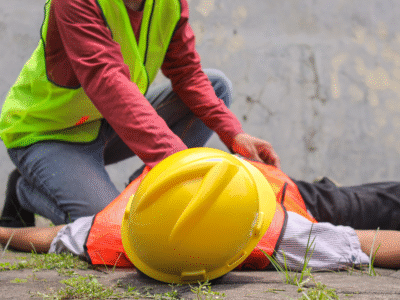
Construction work has unique risks, and the injuries suffered by workers are often severe. That’s why New York has special protections for construction workers. This legal framework provides injured construction workers with opportunities for recovery that go beyond standard workplace protections.
Who Is Liable for Injuries Caused by Falling Objects on a NYC Construction Site?
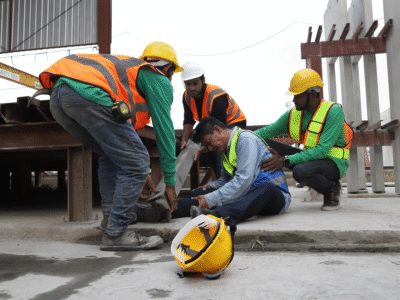
New York City construction sites are among the most dangerous workplaces in the country. Risks include working with cranes, scaffolds, and heavy machinery, and some of the most devastating accidents involve falling objects.
Can an Undocumented Worker Sue for Construction Accident Injuries in NYC?

New York City’s construction industry depends on immigrant labor. Undocumented workers make up a large percentage of the workforce, often taking on the most dangerous tasks at building sites. With cranes, scaffolds, power tools, and heavy machinery surrounding them every day, the risk of serious injury is high.
Who’s Liable for Fatal Work Zone Crashes in NYC?
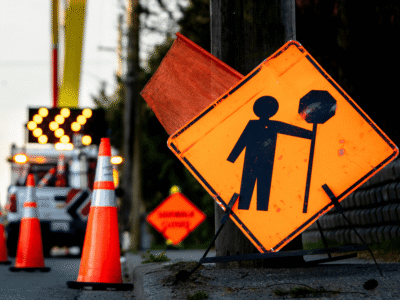
When a fatal crash occurs in a work zone, determining who’s responsible can be pretty complicated. Liable parties may include drivers, contractors, flaggers, government agencies like the Department of Transportation (DOT), or even third-party equipment suppliers.
Traumatic Amputation Caused by Construction Accidents in NYC

New York City’s impressive skyline is built on the backs of skilled construction workers, but they are operating in one of the most dangerous environments in the country. Every year, hundreds of workers suffer life-changing injuries at local construction sites.
How Greed Causes Injuries at NYC Construction Sites
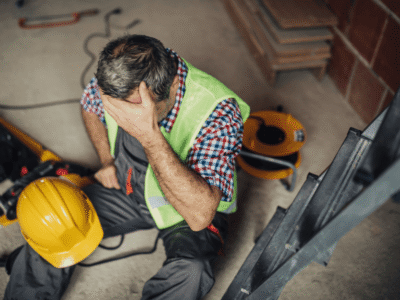
Some people would do anything to save a buck, cutting corners even when it means risking other people’s lives. When profit takes priority over basic safety, construction workers are going to get hurt.
Inadequate training, rushed timelines, and defective or poorly maintained equipment are examples of how greed causes construction injuries across every borough. The real tragedy is how easily preventable these injuries can be.