
Ladder Hazards and Construction Safety
 Ladders are a necessary tool at many job sites, and such frequent use can make it easy to forget that ladders pose some serious dangers. Falls are among the most common workplace accidents in the United States, and falls from ladders are worse than mere slips and falls.
It is important for businesses to provide their workers with ladders that are in good condition, designed for the right use, and replaced as needed to keep everyone safe. When basic safety standards are not met, serious accidents and potentially fatal injuries can occur.
Don’t Lose Control of Hazardous Energy
 A lack of proper control over potentially hazardous energy on a job site, especially in construction and manufacturing, is a huge danger. Fortunately, the Occupational Safety and Health Administration (OSHA) has established guidelines that businesses and employees can follow to reduce the danger of serious injury or death. But when these guidelines are not followed, people end up seriously harmed by electrical discharges or active machinery.
It’s Time to Focus on Fall and Drop Protection
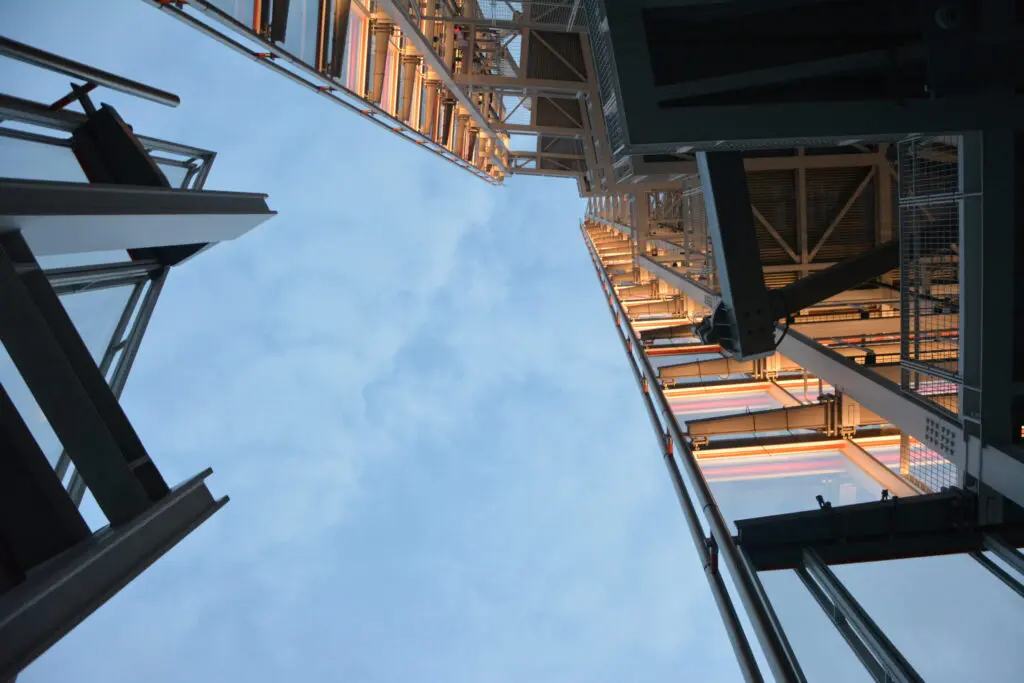 Falls are the leading cause of death at construction sites, which are already the most dangerous workplaces for Americans. Fall protection can be improved and OSHA provides guidelines on how it can be done; companies simply need to follow those steps to keep their workers safe. Drop protection, however, is often overlooked, yet thousands of workers are struck by falling objects every year.
Hazard Communication Protects Employees
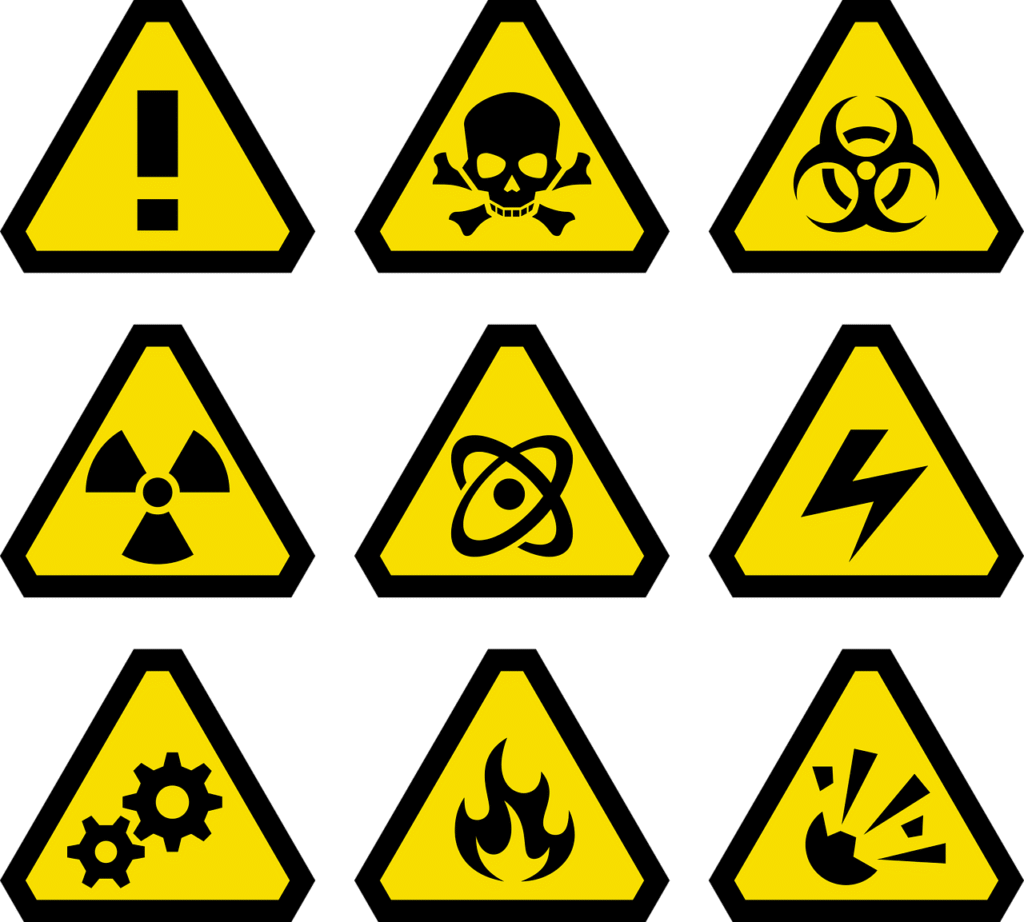 Hazard communication saves lives every single day in New York. Not only is letting workers know about potential hazards required by law, but it is a common-sense way to ensure people understand what they are handling—and don’t get hurt.
Facts on the “Fatal Four”
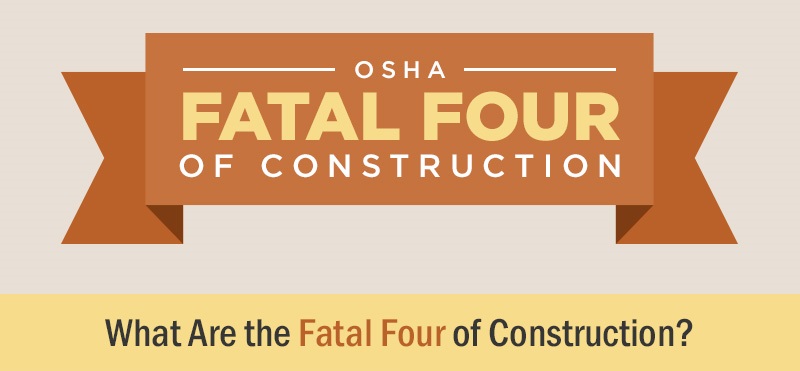
The term “fatal four” refers to the four types of hazards most common on construction worksites. These hazards account for almost 60% of all deaths that occur during construction. Recognizing and understanding these hazards can greatly reduce a worker’s chances of being seriously injured or killed by one of them. The fatal four are:
Is 3D Printing Safe for Construction?
 The construction industry is often on the forefront of new technology, whether it involves tools and machinery or the materials from which a building is made. Technology is meant to make tasks less expensive, but new developments can also make buildings safer.
Are Workers Liable for Materials They Leave Behind?
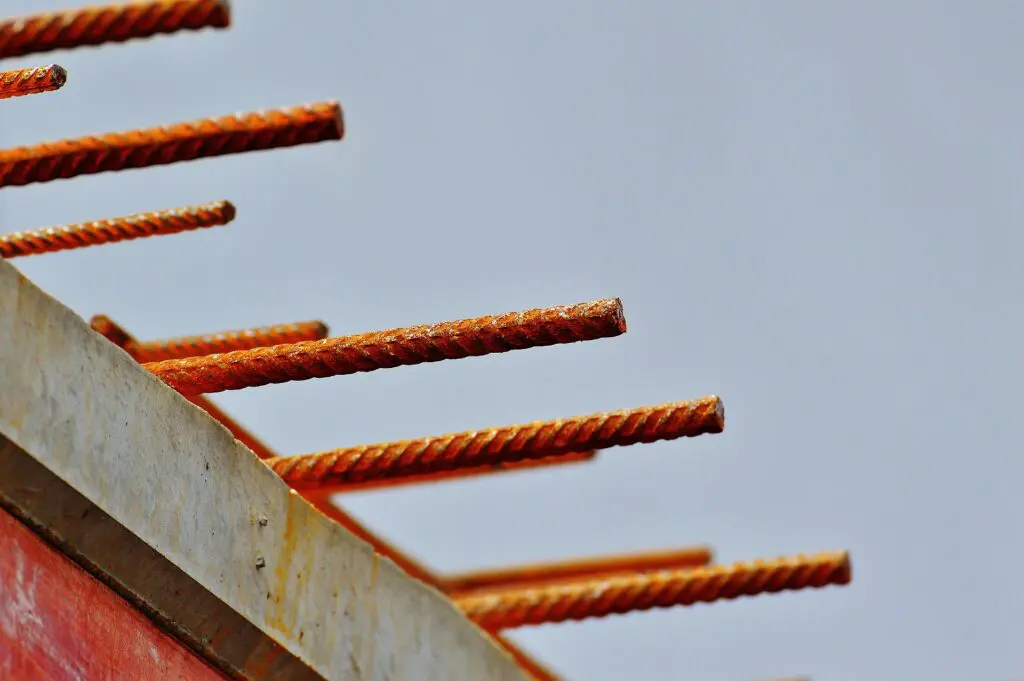 With so much construction and remodeling going on in New York, there is a very real chance of running into materials or debris left behind by a construction crew after a project ends. When this happens, if you are injured or sustain property damage, then you may be able to hold the company liable for causing your damages.
Deaths from Trench Collapses Increase (So Do Fines)
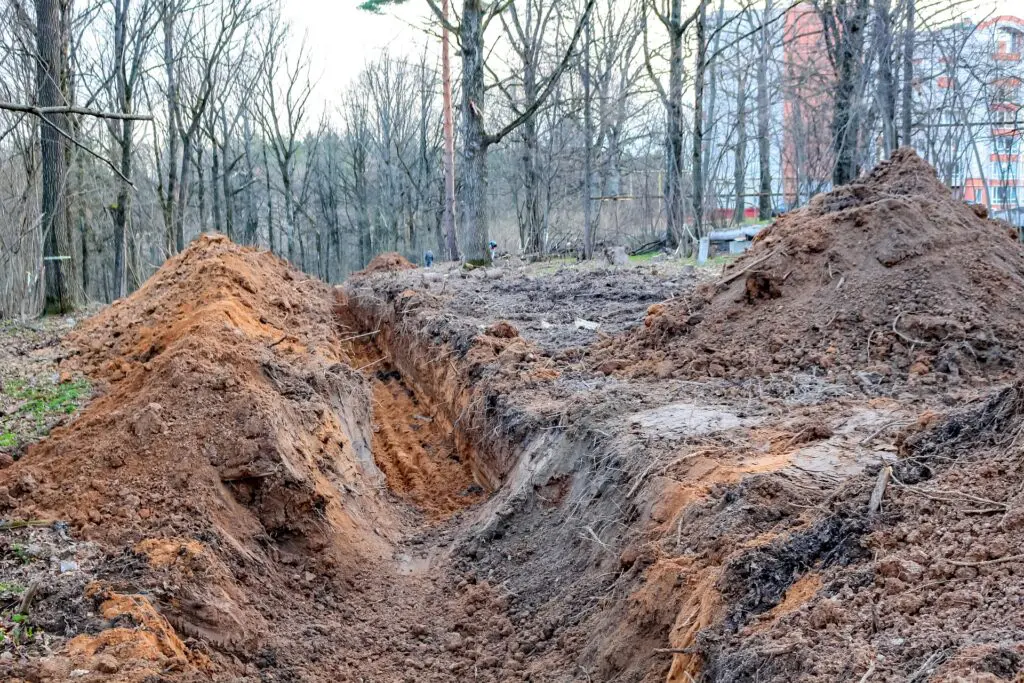 The number of fatalities due to trench collapses at worksites more than doubled from 2015 to 2016. (Though falls remain the most dangerous type of workplace injury.) Trench collapses at New York construction sites are usually caused by improper safety techniques, lack of training, or a failure by those in charge to keep the site safe.
Sidewalk Sheds: Safety Precaution or Threat to Health and Safety?
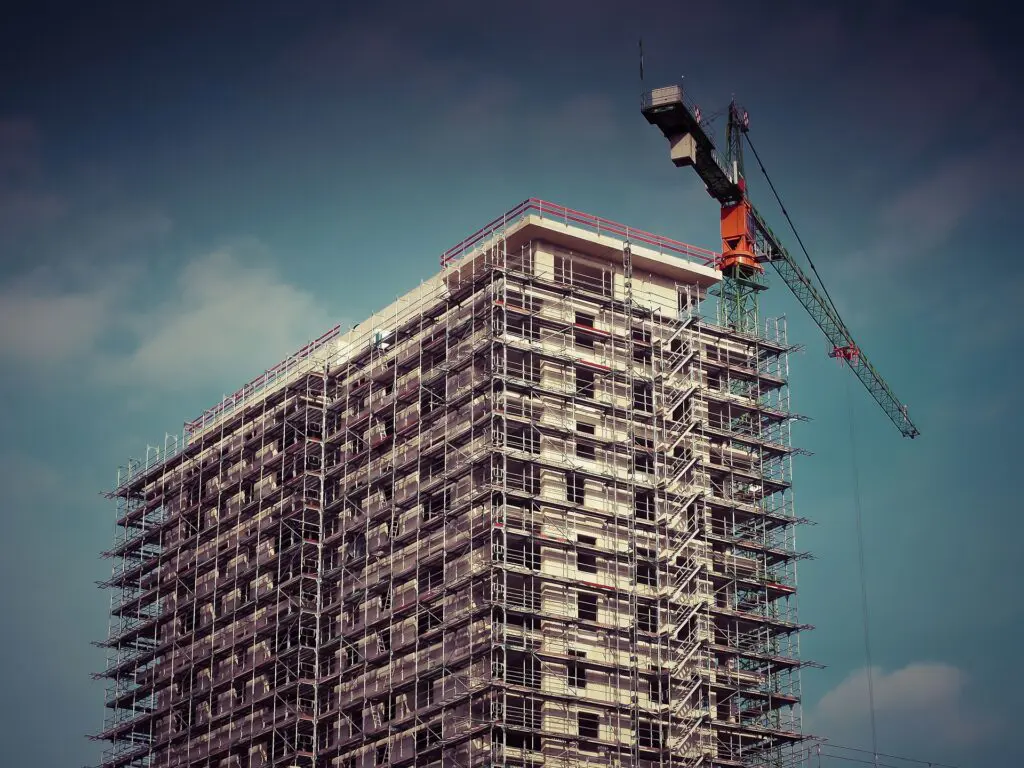 Ever-present sidewalk sheds, or sidewalk scaffolds, have become a contentious issue in New York over the past decade. While city laws require scaffolds to protect citizens from crumbling facades and potential dangers, many building owners have left them up for extended periods of time.
Cranes Present a Looming Danger in New York
 Crane accidents are, thankfully, among the rarest accidents that occur at construction sites, but when they do happen, the damage can be tremendous. Massive cranes falling from great heights pose a risk not only to the workers of construction sites but also to innocent pedestrians and other bystanders on New York streets. Crane accidents pose a threat not only to people but also to property; even in situations where deaths and injuries have been mercifully low, the property damage has still been immense. After any accident, it is important to make sure those responsible are held accountable for what happened.