
Worker Safety: The Risk of Machinery Amputation

Worker safety should always be the number one priority for employers, managers, and supervisors. No amount of profit should ever be placed over the well-being of the employees that keep a company running; but it does happen. One of the greatest dangers faced by a NYC construction worker is the risk of amputation due to a machine.
Construction Safety and Gear: 8 Things to Know
 Construction is one of the most dangerous jobs in the country. According to OSHA (Occupational Safety and Health Administration) nearly 6.5 million people work at approximately 252,000 construction sites across the nation on any given day. Fatalities in the construction industry are higher than the national average for all industries.
Engineering Disasters in the 21st Century
 When we think of engineering disasters, we often picture black-and-white photographs or films of dams that have burst open, bridges writhing in the wind, or buildings collapsing decades ago. However, despite advances in technology and a greater collective understanding of engineering than ever before, mistakes are still made and disasters still occur.
New Requirements for Construction Safety Training in New York
 Construction is one of the most dangerous jobs in New York City, and construction deaths have been on the rise over the last few years. After months of debate and revision, a law was passed last year that instituted new requirements for construction worker safety training. As this law goes into effect this year, construction companies need to provide their workers with necessary training to ensure they can stay safe on the job. Failing to make sure workers receive this training will not only open construction companies up to large fines, but could also be considered an act of negligence in civil court if an accident does occur.
Roofers Have the 4th Most Dangerous Job in the US
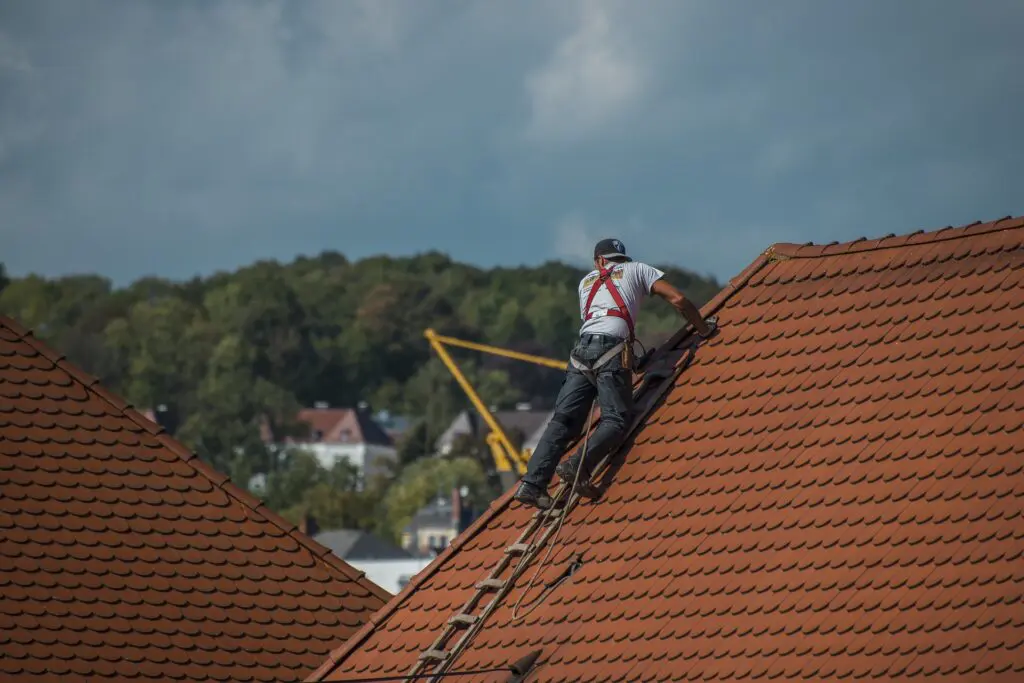 When we think about dangerous jobs, most of us probably think about police officers and firefighters. Outside of emergency workers and the military, however, some of the workers most at risk of suffering injury in New York are roofers.
Construction Remains One of the Most Dangerous Jobs in America
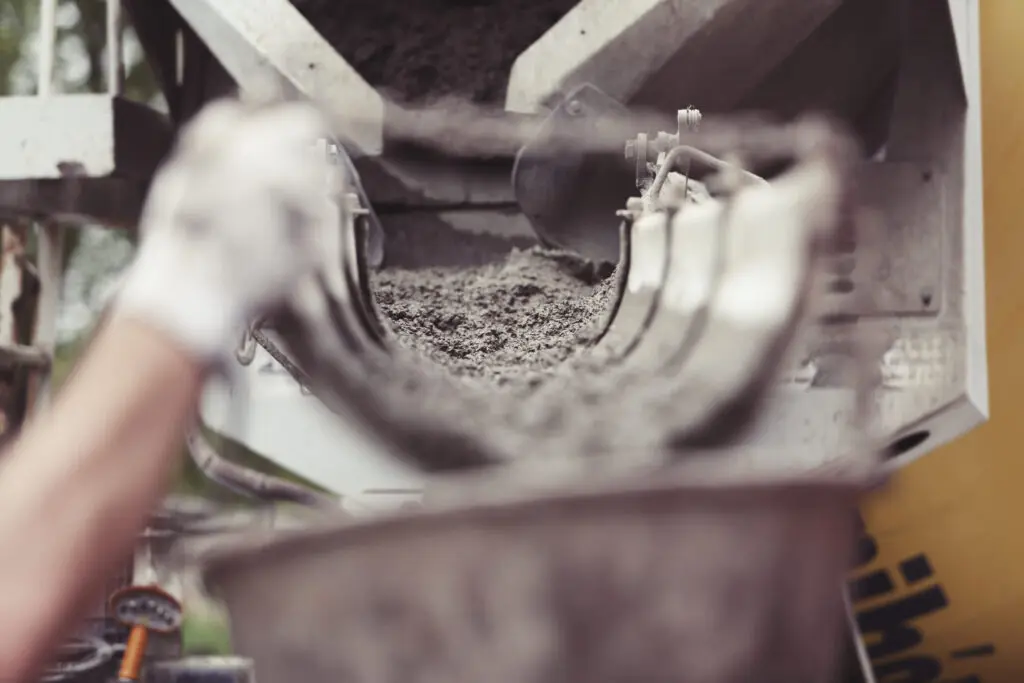 While it may not be as dangerous as working in the logging industry or as a commercial fisher, construction is still among the most dangerous jobs a person can have in the United States. Roofers, in particular, account for a high number of fatal work injuries.
The Shocking Truth about the Dangers of Poor Wiring
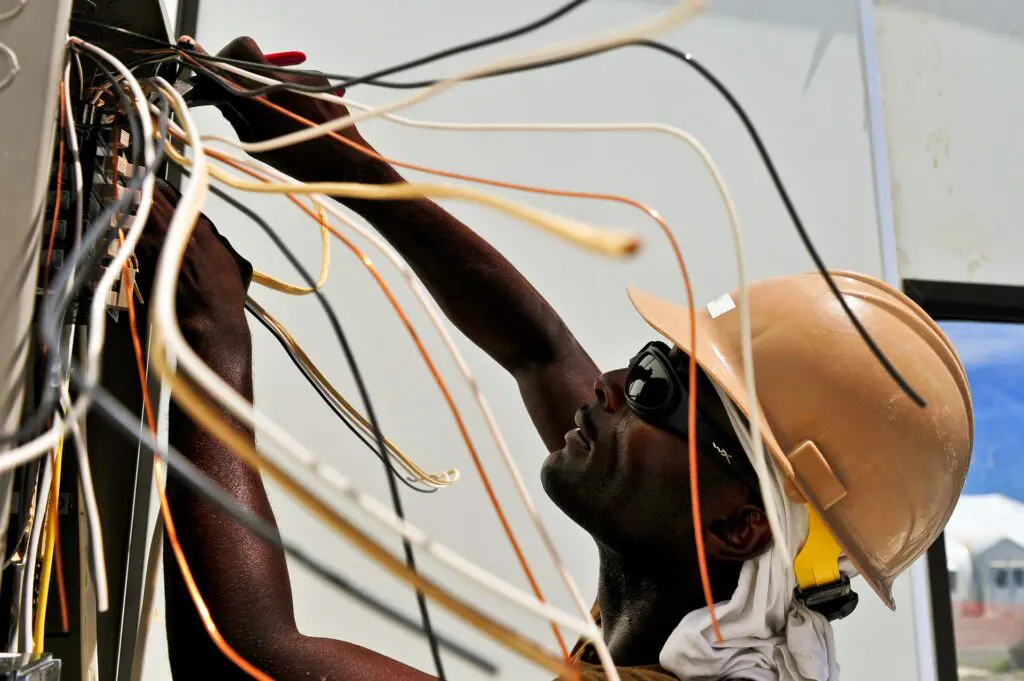 According to the Occupational Safety and Health Administration (OSHA), wiring issues that result in electrical shocks are among the most common and deadly standards violations. While not as frequently deadly as falls from roofs or ladders, electrical shocks are especially dangerous since they are not always easy to detect. In movies and TV shows, we see visual representations of electrical hazards as loose wires sparking violently or glowing bolts of electricity spread throughout pools of water.
Construction Companies Can Save Lives with Proper Fall Protection
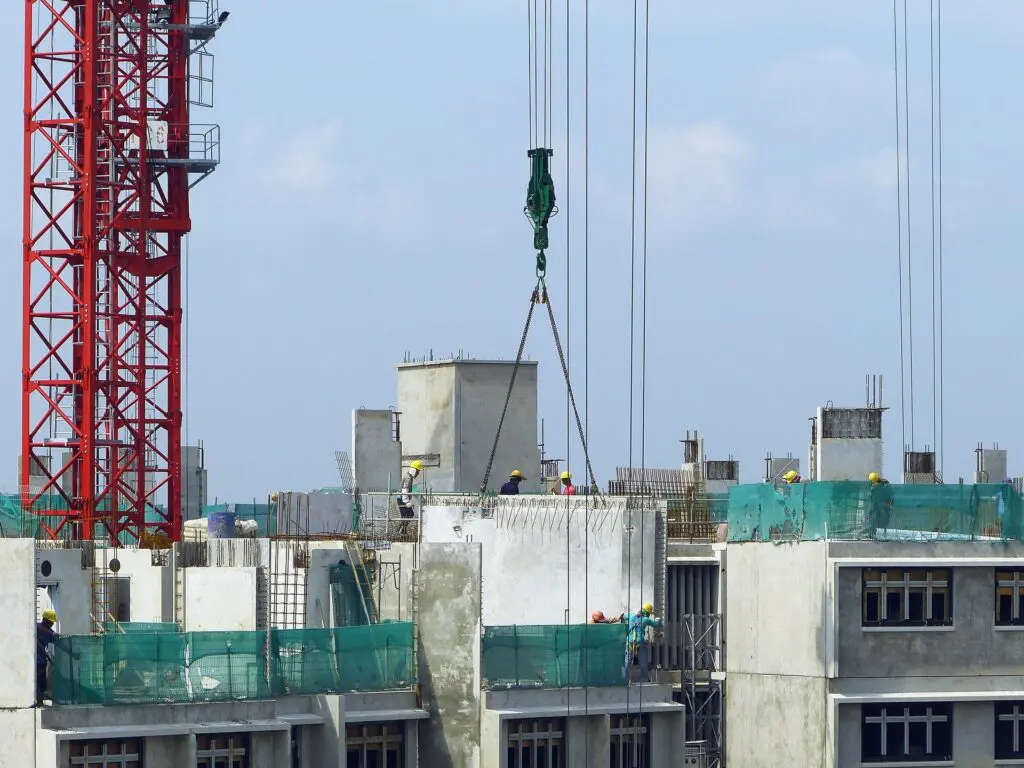 According to the Occupational Safety and Health Administration (OSHA), fall protection is one of the most commonly overlooked safety procedures at construction sites. Because of this, falls tend to result in more serious injuries and deaths than any other type of accident for construction workers, yet these accidents are almost always avoidable.
Stay Safe: Machinery Can Injure, Maim, and Kill
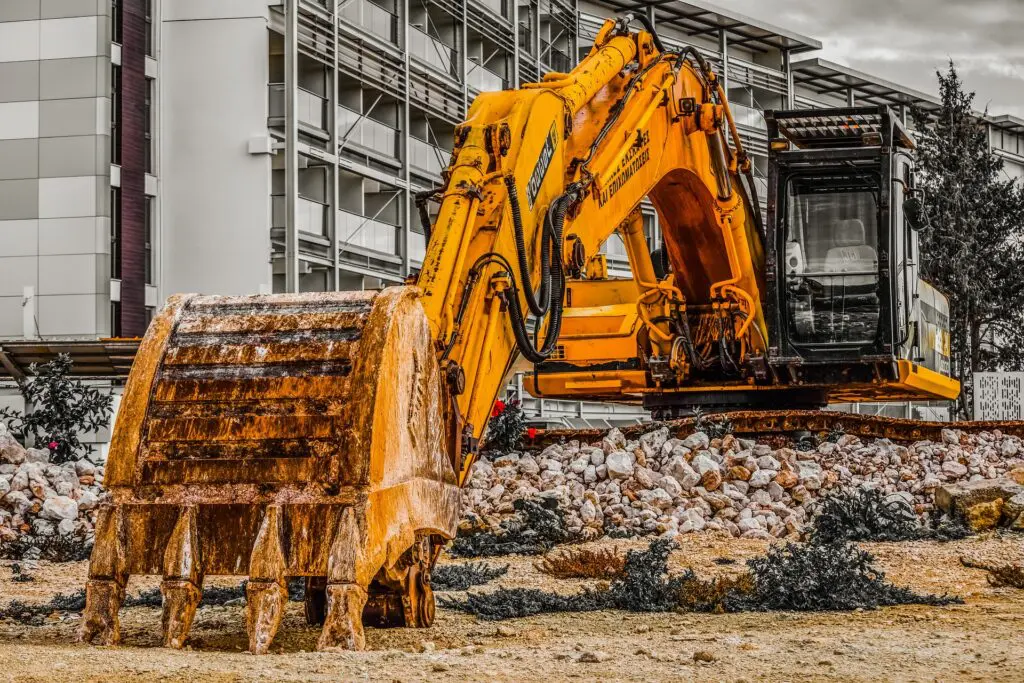 Working with powered machinery is a daily part of the job for millions of people in the U.S. They are particularly vital for industries such as construction and manufacturing. When used safely, machines pose only minor threats to employees.
These devices, however, pose a very real danger when not handled properly or set up safely by employers. The use of machine guarding, for example, can help reduce the unacceptable number of accidents every year; accidents that typically result in very serious or fatal injuries. Knowing where injuries can occur (and how to remain safe around those locations) is the key to avoiding accidents and harm.
Forklifts Pose a Serious Threat to Employee Safety
 The use of forklifts and similar powered industrial trucks is quite common on a lot of job sites. These vehicles make it easier and faster to move building materials and other heavy objects, saving dozens or even hundreds of man-hours when compared to the use of a hand-truck or other method of transport.
However, such vehicles present a very real danger both to the driver and to those around the forklift. Proper training and following best practices not only prevents serious accidents that can be quite costly, but also saves lives.