
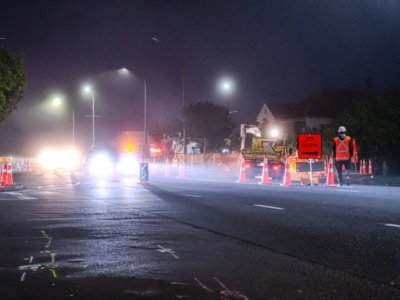
Construction zones can create serious hazards for drivers, especially after dark. Temporary barriers, lane shifts, construction vehicles, unfamiliar pavement markings, and changing traffic patterns may force motorists to react quickly to avoid a crash.
When nighttime work zone lighting is inadequate or does not comply with applicable safety requirements, these hazards may become even more difficult to see and navigate. After an accident, determining responsibility may require examining more than the conduct of the drivers involved.
The Bronx construction zone accident lawyers at Wingate, Russotti, Shapiro, Moses & Halperin, LLP can investigate the circumstances surrounding the crash, including how the work zone was illuminated and maintained, to identify the parties who may be responsible.
Why Visibility Matters in a Nighttime Construction Zone
Construction zones require drivers to respond to circumstances they may not encounter on an ordinary trip. At night, reduced visibility adds another layer of difficulty.
The New York State Department of Transportation recognizes these concerns in its work-zone guidance. Its guidance provides illumination requirements that apply to nighttime work-zone operations.
A nighttime construction zone could present problems involving:
- Barriers or channelizing devices that are difficult to distinguish from the roadway
- Temporary lane lines that are unclear or obscured
- Sudden lane shifts with inadequate advance warning
- Construction equipment entering or leaving active traffic
- Workers located close to moving vehicles
- Closed lanes that are difficult to recognize until a driver is already approaching them
- Uneven pavement or other temporary roadway conditions
- Signs that are poorly illuminated, obstructed, or difficult to read
- Missing or inadequate warning devices
A construction zone accident can raise important questions about driver safety. Investigators may need to determine whether the construction zone gave that motorist a reasonable opportunity to recognize and avoid dangerous conditions.
When Bad Lighting Creates Hazards
Improperly designed lighting can create its own visibility problems. Several lighting conditions could contribute to a night-time construction zone accident.
Insufficient Illumination
A work zone may be too dark for drivers to identify barriers, workers, equipment, lane changes, or pavement conditions until they are dangerously close. An investigation may consider whether lights adequately illuminated the locations motorists actually needed to see.
Glare From Work Lights
A powerful construction light pointed toward traffic could temporarily interfere with a driver’s ability to see lane markings, traffic-control devices, pedestrians, or vehicles ahead. NYSDOT’s standards expressly address avoiding glare that affects traffic, making the position and direction of construction lighting potentially important evidence after an accident.
Deep Shadows
Poorly positioned lights may illuminate one area while casting another into shadow. Equipment, barriers, or roadway changes may become difficult to distinguish against those dark areas.
Sudden Bright-to-Dark Transitions
A driver moving through a brightly illuminated work area may then enter a substantially darker section. If a hazard appears immediately after that transition, the driver may have limited time to recognize what is ahead.
Who Can Be Responsible for a Bronx Construction-Zone Accident?
A careful investigation considers what happened, what conditions contributed to it, and which person or organization controlled those conditions. Depending on the project and available evidence, potentially responsible parties could include several entities.
- A Construction Contractor or Subcontractor. A contractor performing roadway work may have obligations related to work-zone setup, equipment, illumination, barriers, or maintenance. Contracts, project plans, inspection records, and work logs may help show who controlled the condition that contributed to the collision.
- A Party Responsible for Temporary Traffic Controls. On some projects, responsibility for signs, lane closures, cones, barriers, arrow boards, lighting, or other temporary traffic-control measures may be assigned to a particular contractor or entity.
- Another Driver. Another driver may contribute to a crash by speeding, following too closely, making an unsafe lane change, or otherwise failing to adjust to roadway conditions. More than one party may potentially share responsibility for the same accident.
- A Governmental Entity. Depending on the roadway and construction project, a governmental entity may have responsibilities related to the project, road, traffic-control plan, inspection, or maintenance. Claims involving governmental entities can involve additional procedural requirements and shorter filing deadlines.
Your Attorney Will Collect Evidence to Build a Strong Claim
A Bronx car accident attorney can investigate the crash and work to preserve important evidence before temporary conditions at the scene change or disappear. Relevant evidence may include:
- Photographs or video of the work zone at night
- Dash-camera footage or nearby surveillance video
- Police crash reports
- Witness statements
- Construction and traffic-control plans
- Nighttime operations or lighting plans
- Contractor and subcontractor records
- Inspection reports
- Maintenance records
- Work logs showing what activity was underway at the time of the crash
- Information about the placement of lights, barriers, and signs
- Records identifying which parties controlled specific portions of the project
For certain nighttime operations, NYSDOT standards require a written nighttime operations and lighting plan and establish illumination requirements for particular work activities. These records can help demonstrate whether the lighting and traffic-control conditions at the accident scene complied with applicable requirements and may provide important evidence when determining how the crash occurred.
Speak With a Trusted Bronx Construction Zone Accident Lawyer
Wingate, Russotti, Shapiro, Moses & Halperin, LLP, has been serving personal injury clients in the Bronx for more than 50 years, and we have recovered more than $2 billion for our clients. WRSMH prepares cases thoroughly, examining the relevant facts and applicable law to determine who may bear responsibility for an injury.
If you or a loved one was injured in a Bronx construction zone accident, contact WRSMH to find out how we can help.
Call (212) 986-7353 to schedule a free consultation today.
FAQs About Poor Lighting and Nighttime Construction Accidents in the Bronx
Can poor lighting make a construction zone dangerous at night?
Yes. Poor lighting may make it difficult for drivers to see lane shifts, barriers, construction vehicles, workers, signs, or changes in the roadway. In some cases, glare from improperly positioned work lights or abrupt transitions between bright and dark areas may also reduce visibility.
Who may be responsible for a Bronx construction-zone accident caused by poor lighting?
Responsibility may depend on who controlled the work zone and the condition that contributed to the crash. Potentially responsible parties could include a construction contractor, subcontractor, company responsible for temporary traffic controls, another driver, or a governmental entity responsible for the roadway or project.
Is a driver automatically at fault for hitting a construction barrier at night?
No. A collision with a barrier does not automatically mean the driver was solely responsible. Investigators may examine whether the barrier was properly placed, visible, illuminated, and accompanied by adequate signs or warnings. An attorney can review the circumstances surrounding the crash.
Can glare from construction lights contribute to a road construction accident?
Yes. Work lights that are too bright or improperly positioned may create glare that makes it harder for drivers to see traffic-control devices, lane markings, barriers, workers, or vehicles. A poor lighting car accident may involve excessive glare as well as insufficient illumination.