
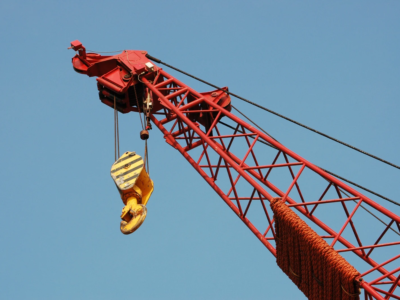
When a crane accident happens on a construction site, two of the most likely causes are operator error and equipment failures. Cranes cause serious injuries and fatalities when they drop a load, tip over, or collide with a structure. Understanding how an accident happened helps you identify which companies or individuals may bear legal responsibility.
If you were injured on the job, the Bronx crane accident lawyers at Wingate, Russotti, Shapiro, Moses & Halperin, LLP can review the evidence and advise you about your options for seeking maximum compensation. This may include pursuing a third-party lawsuit, which is separate from your workers’ compensation benefits.
How Crane Accidents Are Investigated in the Bronx
Following a serious Bronx crane accident, government agencies may investigate regulatory violations and determine how the accident occurred. At the same time, attorneys representing injured workers may examine the evidence to identify potentially responsible parties and pursue available legal claims.
Evidence may include:
- Crane operating and diagnostic data
- Load charts and lift calculations
- Inspection reports
- Maintenance and repair records
- Operator licenses, training, and qualifications
- Rigging plans and procedures
- Wire-rope condition and inspection records
- Hydraulic-system components
- Safety devices and operational aids
- Surveillance or jobsite video
- Photographs
- Eyewitness statements
- Weather and wind information
- Radio transmissions, text messages, and other jobsite communications
Investigating Possible Crane Operator Error
Operating a construction crane requires the operator to account for the crane’s configuration, load, surroundings, weather conditions, and the instructions an operator received.
OSHA requires covered crane operators to be trained, certified or licensed, and evaluated. The employer’s evaluation must address whether the operator has the skills and knowledge necessary to safely operate the specific equipment, recognize and avert risks, and perform assigned hoisting activities.
An investigation into possible operator error may examine whether the operator:
- Exceeded the crane’s rated capacity or improperly handled a load
- Failed to properly apply load-chart information
- Operated the crane contrary to manufacturer instructions
- Positioned the crane or boom unsafely
- Continued operating during dangerous wind or weather conditions
- Misunderstood or disregarded signals
- Failed to recognize changing jobsite hazards
- Lacked adequate training or experience for the assigned lift
Communication Failures May Contribute to Operator Error
A crane error may point to a broader failure involving the construction operation. Crane operators depend on signal persons and other workers to provide information that cannot be seen from the cab. An accident may be the result of:
- A miscommunicated instruction
- Unclear radio transmission
- An incorrect signal
- A poorly coordinated lift
To find out what caused an accident, a crane accident attorney will examine who planned the lift, who supervised it, who communicated with the operator, and whether appropriate procedures were established.
What Are Accident Investigators Looking for?
Crane failure may be caused by components that were defective or improperly repaired. Investigators may examine hydraulic systems, controls, brakes, structural components, wire ropes, hooks, safety devices, operational aids, and other critical equipment.
OSHA requires inspections at multiple intervals. Equipment that is in service is subject to monthly inspections, and cranes must undergo comprehensive annual inspections by a qualified person. OSHA also requires inspection after certain crane repairs or adjustments that affect safe operation.
When a component fails, investigators may ask:
- When was it last inspected?
- Had it previously shown signs of deterioration?
- Was maintenance recommended but delayed?
- Was a repair performed correctly?
- Were appropriate replacement parts used?
- Did anyone know about an unsafe condition?
- Was the crane returned to service before a required inspection?
Filing a Third-Party Lawsuit
After a Bronx crane accident, an injured construction worker may have grounds for a third-party lawsuit. A third-party claim or lawsuit may be filed against a negligent party other than the worker’s employer.
Depending on the circumstances, liable parties may include:
- General contractors and other contractors
- Property owners
- Crane owners or lessors
- Crane maintenance and repair companies
- Equipment suppliers and vendors
- Manufacturers
- Rigging contractors
- Other entities involved in the project
Filing a successful third-party claim requires evidence showing that the third party’s actions or failure to act contributed to the accident and resulting injuries. Important evidence may include accident reports, photographs, witness statements, inspection records, maintenance documents, and information about safety violations.
How New York Labor Law Applies After a Crane Accident?
Depending on how the crane accident occurred, New York construction laws can provide important worker protections.
Labor Law § 240(1) addresses certain elevation-related hazards and specifically refers to protective devices including hoists, slings, blocks, pulleys, ropes, and other equipment. New York’s highest court has explained that the central question is whether an injury directly resulted from inadequate protection against a risk arising from a physically significant elevation differential.
Labor Law § 241(6) can provide another avenue in appropriate construction cases. A worker must identify an applicable Industrial Code provision containing sufficiently specific safety requirements and establish that its violation contributed to the injury.
Speak With an Experienced Crane Accident Lawyer in the Bronx
Wingate, Russotti, Shapiro, Moses & Halperin, LLP has been representing injured New Yorkers for more than 50 years. In fact, our firm has recovered over $2 billion for clients. Our philosophy emphasizes meticulous case preparation.
If you or a loved one was injured in a Bronx construction site crane accident, contact WRSMH to find out how we can help.
Call (212) 986-7353 to schedule a free consultation.
Frequently Asked Questions About Crane Accidents in the Bronx
What do investigators look for after a Bronx crane accident?
Investigators may examine operating data, load calculations, inspection reports, maintenance records, hydraulic systems, wire ropes, safety devices, operator qualifications, rigging procedures, surveillance footage, eyewitness accounts, and jobsite communications to determine how the accident occurred.
How do investigators determine whether crane operator error caused an accident?
A New York crane accident investigation may examine whether the operator improperly handled a load, exceeded equipment limits, failed to follow manufacturer procedures, responded incorrectly to wind or changing conditions, misunderstood signals, or lacked appropriate training or qualifications.
What types of mechanical failures can cause construction crane accidents?
Crane mechanical failure may involve damaged wire ropes, hydraulic failures, malfunctioning controls, defective safety devices, worn components, structural problems, or improperly performed repairs. Maintenance and inspection records can help determine whether a dangerous condition should have been identified before the accident.
Who may be liable when defective crane equipment causes an accident?
Potentially responsible parties may include crane owners or lessors, maintenance companies, equipment suppliers, manufacturers, contractors, property owners, or other entities. A construction crane accident attorney can investigate the equipment’s history and the responsibilities of the companies involved.