
Top Traits to Look for in a New York Construction Union Attorney
 Unions are built on the collective interests of their workers. For construction workers in New York, these interests often include receiving a fair and legal wage, having access to appropriate safety equipment, and ensuring that the terms of the union’s agreement with their employer are enforced.
While collective bargaining, grievances, and even picketing can go a long way toward enforcing a labor union’s right to fair and legal terms, some disputes need the experienced eye of an attorney who understands the complex nature of union agreements and construction labor laws. Here are some traits to look for in a construction labor union lawyer:
OSHA Ruling will Make Healthcare Worker Injuries Public
 When a person hears that a worker was injured on the job while lifting and moving heavy items throughout the course of a 12 hour shift or from exposure to harmful chemicals and gases, the likely assumption is that the injured worker must be in the construction industry. However, while construction is one of the most dangerous industries in the country, those in the medical profession face equally harmful, if not more so, work conditions – the main difference is that the public is less likely to hear about a nurse’s occupational injuries.
One of the main reasons the high injury rate among medical care workers goes underreported is the Occupational Safety and Health Administration’s (OSHA) failure to conduct regular inspections to ensure that hospitals and healthcare facilities are safe for workers. Additionally, employers in the medical industry are required to keep records of workplace illnesses and injuries, but the information is not made public.
Four Injured in Midtown Manhattan Construction Accident
Four construction workers were injured in a recent accident in a Madison Avenue work site recently, according to a report by AM New York.
The workers were taking down the chandelier that hung above the first-floor entrance as part of a demolition project at the construction site. They were using a marble banister on the mezzanine level as leverage when the banister gave way, causing the workers to fall about 15 feet. The chandelier fell on top of the four workers, according to the city’s Department of Buildings.
What Is New York’s Scaffold Law?
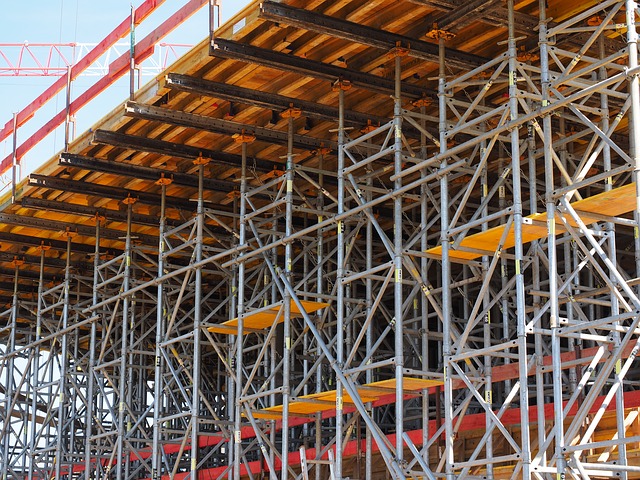 Every day, construction workers put their lives at risk in one of the most notoriously dangerous industries in the country. According to the Occupational Safety and Health Administration (OSHA) and the Bureau of Labor Statistics (BLS), one in five worker fatalities in 2013 were construction workers and the majority of the fatal accidents involved falls.
Under New York Labor Law § 240, also known as the Scaffold Law, project owners and general contractors bear responsibility for providing necessary safety equipment to protect workers from falling or having objects fall on them. When a worker is injured in a slip, trip, or fall accident, regardless of fault, the project owner and general contractor may be held liable for the resulting damages. Ideally, by placing liability on the project owners and construction companies, workers are ensured a safer environment. Unfortunately, that is not always the case.
How Safe Are New York’s Train Systems?
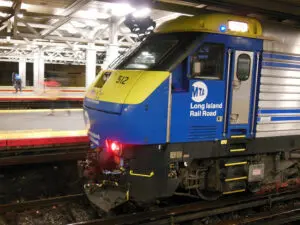 A February collision between an SUV and a commuter train near Valhalla, New York claimed six lives and left fifteen people injured. It also left New York residents with serious concerns: are the state’s train and subway systems a safer transportation option than walking or driving?
According to one Newsweek article, the answer is a qualified yes – but the statistics are still grim.
Between May 2013 and March 2014, New York’s commuter-rail system claimed six lives and injured 126 people. Although more commuters are injured in subway accidents each year, the Federal Railroad administration lists only 84 deaths on the LIRR and 43 on Metro-North between 2004 and 2013 – far fewer than the 248 deaths suffered in subway accidents in just the past three years.
Are You Getting Your Fair Share of Workers’ Compensation?
 According to a recent investigation by New York-based non-profit Propublica, the landscape of workers’ compensation has quickly shifted under workers’ feet as legislators, insurers, and employers have sought different ways to escape costly payouts. One by one, up to 33 states have passed new laws and regulations to cut down workers’ rightful benefits and set up ever-more difficult roadblocks in the claims process.
The declining workers’ compensation system is no more apparent than in the stark disparity between each state’s allotted benefits – divided up by body part and extent of the injury, in many cases. For example, if a construction worker loses an arm in a worksite accident in New York, s/he could potentially receive a maximum of $252,299 in coverage, whereas a worker with a similar injury in Alabama could only receive a maximum of $48,840.
New York Subway Accident Deaths Decreased in Recent Years but Injuries Continue to Rise
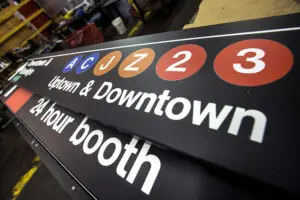 According to a recent report from the MTA, the number of deaths in New York City subway accidents has decreased – but the number of injuries has risen slightly.
In 2013, the MTA estimated, 151 people had been hit in subway accidents, compared to 141 incidents the previous year. However, while 55 people lost their lives in these accidents in 2012, only 53 died from their injuries in 2013, according to the agency. This means that while fewer people lost their lives, more were injured, leaving the MTA to redouble its efforts to protect passengers and reduce injuries.
Protecting Your Right to Workers’ Compensation in New York
 If you have been injured while at work, you may be worried about how it will affect your livelihood. How long will you have to miss work? Can you still afford to pay the bills while out of work? What if you can’t return to work at all? Almost every employer in the United States is legally required to provide employees with workers’ compensation insurance. In the event that an employee suffers an injury while on the job, this insurance should help cover the cost of medical expenses and lost wages, regardless of fault.
Under the workers’ compensation law, employees have within 30 days to report an injury to his or her employer. Since there is a time limit on filing a claim, it is important to consult with an experienced workers’ compensation lawyer as soon as possible to help ensure that you receive the fair and full amount for your circumstances.
NY East Village Building Collapses, Sets off Seven-Alarm Fire
An explosion shook Manhattan’s East Village neighborhood around 3:15 p.m. Thursday afternoon, causing one building to collapse as two others were engulfed in flames. Units in the collapsed five-story building, located at 121 Second Ave., were leased by both commercial and residential tenants, according to the New York Times.
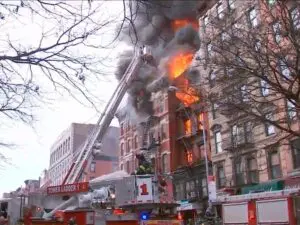
Eyewitness News
Tips for Choosing a Construction Labor Union Attorney
Workers in construction labor unions enjoy many benefits of union membership. The laws that govern New York construction labor unions are complex, and when a problem arises, it is vital to have an experienced New York labor union lawyer on your side to ensure that your rights are respected and the rules that protect you are upheld.
If you’re facing a potential employment or labor issue, you need to choose a skilled attorney with whom you can work to sort out the facts and pursue the best possible outcome. Here are some tips for finding the right law firm for you: