
A Concussion Is a Serious Injury
 Although a concussion is often referred to as a minor injury, it can often have serious and far-reaching implications for victims. The tendency to shrug off a concussion leaves people vulnerable to potentially harmful long-term effects. It is crucial to seek medical attention right away if you have suffered a concussion. Physicians often say that a minor brain injury simply does not exist.
Can I Sue for Common Area Premises Liability Injuries in NYC?
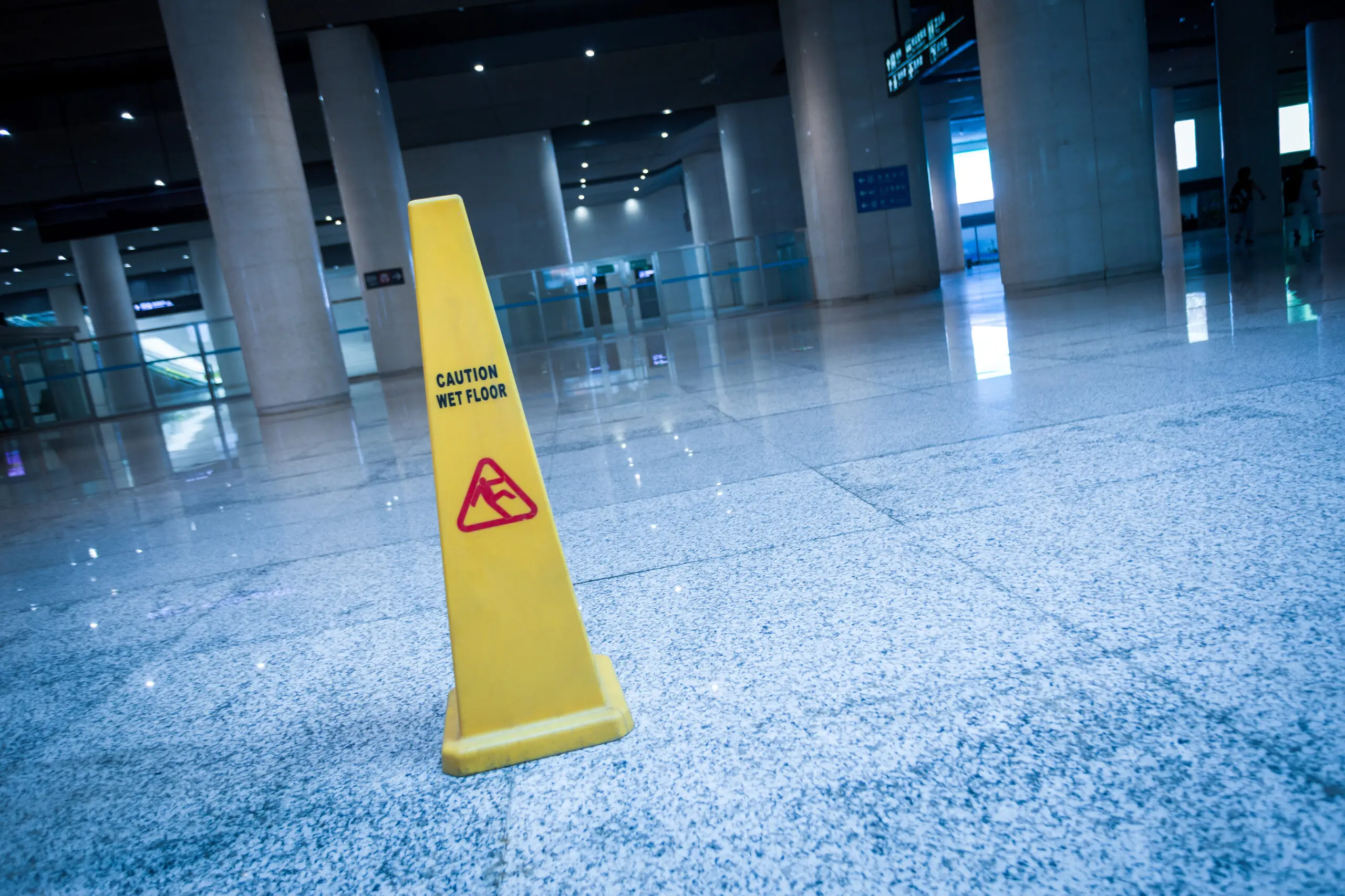 Have you been injured on somebody else’s property in New York? You may be entitled to sue the property owner for common area premises liability. Property owners are required to maintain a safe environment for those coming onto their land, meaning they may owe a duty of care to those who become injured.
More People Are Cycling in NYC
 New York is a geographically small but fast-paced city filled with millions of commuters and many travel options. Over the past two decades, New Yorkers’ interest in biking has increased dramatically, especially over the past few years, due in part to the introduction of 1,240 additional miles of bike lanes in 2018 and new bikeshare program. For example, between 2015 and 2016 alone, there was a 150% increase in NYC bike travel.
How to Know if Your Car is Totaled
 After a car crash or traffic accident, you, your insurance company, and all other parties involved may disagree about the payout owed for vehicle damages. The amount paid in automotive repairs can be based on several factors, including the age of the vehicle, cash value of the car, and nature of the accident. Unfortunately, because there are so many moving parts involved, recovering the total amount of money that you deserve can be a lengthy, burdensome, and confusing process.
What Causes Runaway Truck Accidents in New York?
 Truck accidents often wreak far more damage to victims simply because of the size of them. Depending on where you’re driving on the road, trucks can weigh anywhere from 26,000-33,000 pounds, making them a dangerous weapon on the road. There are about 4,000 people killed and 130,000 injured in truck accidents in the United States every year, and the trucking industry is only continuing to grow.
What Do I Do When a Coworker Causes My Injury?
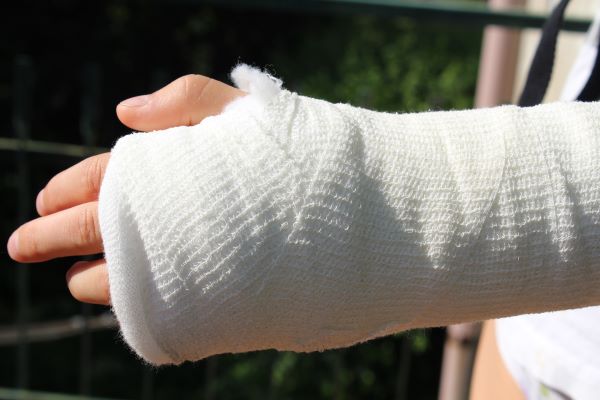 If a coworker caused your injury, you may be concerned about your right to workers’ compensation benefits. The workers’ compensation program is a “no-fault” system. If you are injured on the job in New York City, you have the right to benefits, but sacrifice your right to file a lawsuit, unless the employer has committed acts of gross negligence. If a coworker’s actions led to a serious injury while performing tasks at work, you have the right to workers’ compensation benefits.
How Improper Training Leads to Construction Worker Injuries
 Construction workers are often seasoned professionals, familiar with OSHA and NYC Department of Buildings safety regulations – or could be new to the trade. With the endless construction projects in NYC, workers come from other states or countries, and must be trained in the proper methods and procedures to avoid accidents and injuries.
While construction accidents are frighteningly common in the city, most serious injuries and deaths could have been prevented had workers been thoroughly trained on the proper use of equipment and how to work safely around the many hazards on the site.
Filing Lawsuits for NY Building Code or Safety Violations
 Property owners and developers are required to adhere to the safety regulations when building or improving property. These regulations are imposed by OSHA and under the NY Building Code.The commonly violated OSHA regulations reported by the U.S. Department of Labor, which could lead to a lawsuit brought by an injured worker include:
- Fall protection violations
- Respiratory protection violations
- Hazardous chemical violations
- Scaffolding violations
- Ladder violations
- Control of hazardous energy violations
- Training requirement for fall protection
- Eye and Face protection violations
- Machinery and machine guarding violations
WRSMH Foundation for Your Future Scholarship 2022
 At Wingate, Russotti, Shapiro, Moses & Halperin, LLP, we believe that college is a wonderful place to meet new people, gain valuable knowledge, and advance your career. That’s why we are proud to offer our Foundation for Your Future Scholarship 2022, a $2500 grant open to current college students and college-bound high school seniors across the United States.
How Employers Try to Avoid Scaffolding Rules (Labor Law 240)
 New York has some of the most extensive scaffolding safety laws. Labor Law 240 was enacted in 1885, a period when state legislators had deep concerns about the safety of workers performing jobs at high elevations. During that era, there were many fatal worker falls – and in New York, these falls continue to plague the industry.