
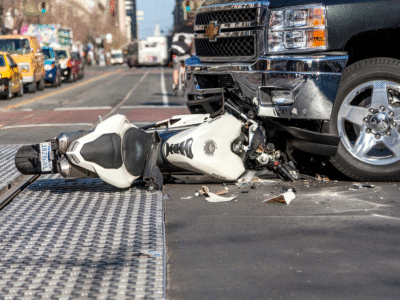
A motorcycle accident can change your life in an instant. Broken bones, road rash, traumatic brain injuries, and spinal cord damage often require extensive medical treatment and rehabilitation. While these financial losses are significant, they are only part of the picture.
Many motorcycle accident victims continue to live with chronic pain, emotional trauma, permanent disabilities, scarring, and an inability to enjoy the activities they once loved. These losses may not appear on a hospital bill or paycheck, but they can have an even greater impact on a person’s quality of life.
The New York City motorcycle accident attorneys at Wingate, Russotti, Shapiro, Moses & Halperin, LLP know how to help injured riders pursue compensation for financial losses and the personal harm caused by their injuries.
Economic Damages vs. Non-Economic Damages
Personal injury claims generally involve two categories of damages: economic and non-economic.
Economic Damages
Economic damages compensate victims for measurable financial losses resulting from the accident. Because these losses have a specific dollar value, they are generally supported by documentation such as bills, invoices, receipts, and employment records.
Examples include:
- Medical expenses
- Future medical treatment
- Hospital bills
- Physical therapy
- Prescription medications
- Lost wages
- Reduced earning capacity
- Property damage
- Rehabilitation costs
These damages are designed to reimburse accident victims for the financial impact of their injuries.
Non-Economic Damages
Unlike economic damages, non-economic damages compensate victims for the personal and emotional consequences of an injury. These losses can affect every aspect of a person’s daily life.
Examples may include:
- Physical pain
- Chronic discomfort
- Emotional trauma
- Anxiety
- Depression
- PTSD
- Permanent disability
- Loss of mobility
- Disfigurement
- Scarring
- Loss of enjoyment of life
- Loss of independence
For many injured motorcyclists, these damages become the largest part of a serious motorcycle accident claim because they reflect how dramatically life has changed after the crash.
What Is Pain and Suffering?
One of the most recognized forms of non-economic damages after a motorcycle accident is pain and suffering. This may involve:
- Chronic physical pain
- Ongoing medical procedures
- Daily discomfort
- Sleep disturbances
- Limited mobility
- Permanent physical limitations
- Loss of independence
Emotional Distress After a Motorcycle Accident
A motorcycle accident can be an extremely traumatic experience. Many survivors struggle with emotional injuries that can persist long after physical wounds begin to heal.
Damages for emotional distress are meant to address negative outcomes such as:
- Anxiety
- Depression
- Post-traumatic stress disorder (PTSD)
- Panic attacks
- Fear of driving or riding
- Social withdrawal
- Loss of confidence
- Emotional anguish
Some victims experience recurring nightmares or flashbacks. Others avoid motorcycles altogether despite years of safe riding before the crash. Mental health treatment, counseling, and therapy may become necessary parts of recovery.
Chronic Pain Can Last for Years
Many motorcycle accident victims expect to recover once their fractures heal or surgeries are complete. Unfortunately, chronic pain often becomes a permanent part of daily life.
Common long-term conditions include:
- Nerve damage
- Arthritis
- Back pain
- Neck pain
- Joint stiffness
- Reduced range of motion
- Headaches
- Persistent muscle pain
These long-term conditions can make even routine daily activities much more difficult. Chronic pain may interfere with sleeping, working, exercising, parenting, managing household responsibilities, and participating in recreational activities that were once an important part of life.
Loss of Enjoyment of Life
The loss of enjoyment of life represents meaningful changes in a person’s life. After a serious injury, many of these experiences become difficult or impossible. Even simple pleasures like walking through Central Park, climbing stairs, or attending family events may require significant effort or become too painful.
Permanent Scarring and Disfigurement
Motorcycle accidents often result in significant road rash, burns, fractures, or facial injuries. Even after successful medical treatment, victims may be left with permanent:
- Scars
- Skin grafts
- Limb deformities
- Facial disfigurement
- Amputations
These injuries may affect self-confidence, relationships, employment opportunities, and mental health. The emotional impact of permanent physical changes is another factor that may be considered when evaluating non-economic damages.
How Are Non-Economic Damages Evaluated in New York?
There is no universal formula for calculating non-economic damages. Every case is unique, and the value of non-economic damages depends on the specific facts surrounding the injury.
Insurers, attorneys, and juries consider numerous factors, including:
- Severity of the Injury. Generally, more severe injuries have a greater impact on daily life.
- Duration of Recovery. Temporary pain differs from permanent disability. The longer symptoms persist, the more significant the damages may become.
- Permanent Disabilities. Long-term physical limitations often affect employment, hobbies, and independence.
- Medical Evidence. Treatment records, physician evaluations, imaging studies, rehabilitation records, and mental health documentation may help demonstrate the extent of an injury.
- Testimony. Victims, family members, medical professionals, and other witnesses may describe how injuries have changed the victim’s daily life.
How a New York Motorcycle Accident Lawyer Can Help
A motorcycle accident lawyer understands that recovering compensation involves more than adding up medical expenses. Building a strong case involves documenting both financial losses and the human impact of the accident.
An attorney can strengthen your claim by:
- Reviewing medical records
- Gathering evidence supporting pain and suffering
- Working with medical professionals when appropriate
- Documenting permanent disabilities
- Presenting evidence of emotional distress
- Calculating current and future damages
- Negotiating with insurance companies
- Preparing the case for trial if necessary
Speak With a Trusted Motorcycle Accident Lawyer in NYC
At Wingate, Russotti, Shapiro, Moses & Halperin, LLP, our attorneys understand that the true impact of a serious injury extends far beyond medical bills. For more than 50 years, our firm has represented injured New Yorkers and has recovered more than $2 billion for clients.
Every case is prepared with meticulous attention to the facts and applicable law because thorough preparation can make a meaningful difference when pursuing fair compensation.
To learn more, call (212) 986-7353 and schedule your free consultation today.
FAQs About Motorcycle Accidents and Non-Economic Damages
What are non-economic damages in a New York motorcycle accident claim?
Non-economic damages compensate accident victims for the personal effects of an injury that do not have a specific financial value. These damages may include pain and suffering, emotional distress, permanent disability, disfigurement, loss of enjoyment of life, and other ways the accident has affected your daily life.
How is pain and suffering calculated after a motorcycle accident?
There is no fixed formula for calculating pain and suffering in New York. Insurance companies, attorneys, and courts typically consider factors such as the severity of your injuries, the length of your recovery, whether you have permanent impairments, the impact on your daily activities, and the medical evidence supporting your claim.
Can I recover compensation for emotional distress after a motorcycle accident?
Yes. If you experience emotional injuries such as anxiety, depression, post-traumatic stress disorder (PTSD), or other psychological effects related to the accident, you may be able to seek compensation for damages resulting from emotional distress.
What evidence can help prove non-economic damages?
Evidence may include medical records, physician evaluations, mental health treatment records, photographs of your injuries, physical therapy notes, and testimony from family members or medical professionals. Many accident victims also keep a journal documenting their pain levels, emotional struggles, and how their injuries affect their everyday activities.