
Stay Safe While Boating in New York This Summer
 The state of New York ranks seventh in the nation for boating facilities – but third in boating accidents, according to a recent TWC News report.
Boating is a big part of summer fun for many New Yorkers – but boating does pose certain risks, and injuries can occur if boaters are not careful and ensure their own safety and the safety of others. When you go out on the water this summer, keep these safety tips in mind:
- Always wear a life jacket. New York saw 18 deaths in boating accidents last year, according to TWC News. A properly-fitting life jacket is the easiest way to prevent death or serious injury.
- Plan ahead. Learn about the water you plan to boat on, including potential hazards and the type of traffic to expect. Check the weather report before you go.
Stay Safe During Power Outages This Summer
Power outages can happen any time of year. In summer, storms and electrical grid overload are the two most common sources of power outages.
Although we rely on electricity in many areas of our lives, it can be dangerous when handled improperly – and certain health risks loom larger when electricity is not available. Consider these tips from experienced New York injury attorneys to protect yourself and those you love during a power outage this summer.
- If you buy a generator to provide energy when the power is out, never run it indoors. Carbon monoxide and other deadly substances can build up, causing serious injury. Run the generator outdoors only, and follow all safety and operating instructions that come with the generator. You may want to check the Consumer Product Safety Commission Web site, cpsc.gov, to ensure that your generator has not been recalled.
National Safety Council’s “Injury Facts” Shed Light on Accident, Injury Risks
 The National Safety Council (NSC) recently released its 2014 edition of Injury Facts, a report that tracks and explains safety statistics and trends throughout the United States. For over 90 years, the organization has published this annual safety report, which provides valuable information to both experienced New York injury lawyers and to the general public on how to reduce the risk of common types of injuries.
Information that appears in the 2014 edition, according to the National Safety Council, includes the following facts:
- The price tag for accidental injuries is steep: about $790 billion annually is lost on medical bills, lost productivity, and other costs.
Run a “Spring Forward” Safety Check to Protect Your Family
March 9 brought with it the switch to Daylight Savings Time, an event that many New York families use to update their household’s safety plans and equipment. But even if you’ve already changed your clocks, you can still take advantage of this time of the year to run a “safety check” in your own home.
First, check your smoke detectors. The batteries in smoke detectors should be changed twice a year, as should the batteries in carbon monoxide detectors. When you change the batteries, test each device to make sure it works.
How Do You Know When an Insurance Company is Cheating You?
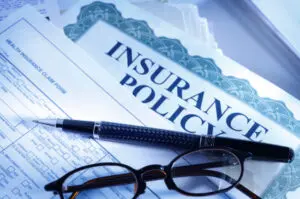 We all want to think that insurance companies, especially our own, are there to protect us and our best interests, but that is not typically the case.
Insurance adjusters and companies have two goals: maximize profits and minimize compensation payouts. To do this, they will do everything they can to settle with you for less than you deserve or even completely deny your claim. If you’ve been dealing with an insurance adjuster after an auto accident or other incident, stay aware of these warning signs. If the insurance company is doing any or all of these things, they are trying to manipulate you. In that case, you may want to get an attorney on your side. The insurance company may become much more cooperative once they realize they have to deal with a lawyer instead of you.