
The Shocking Truth about the Dangers of Poor Wiring
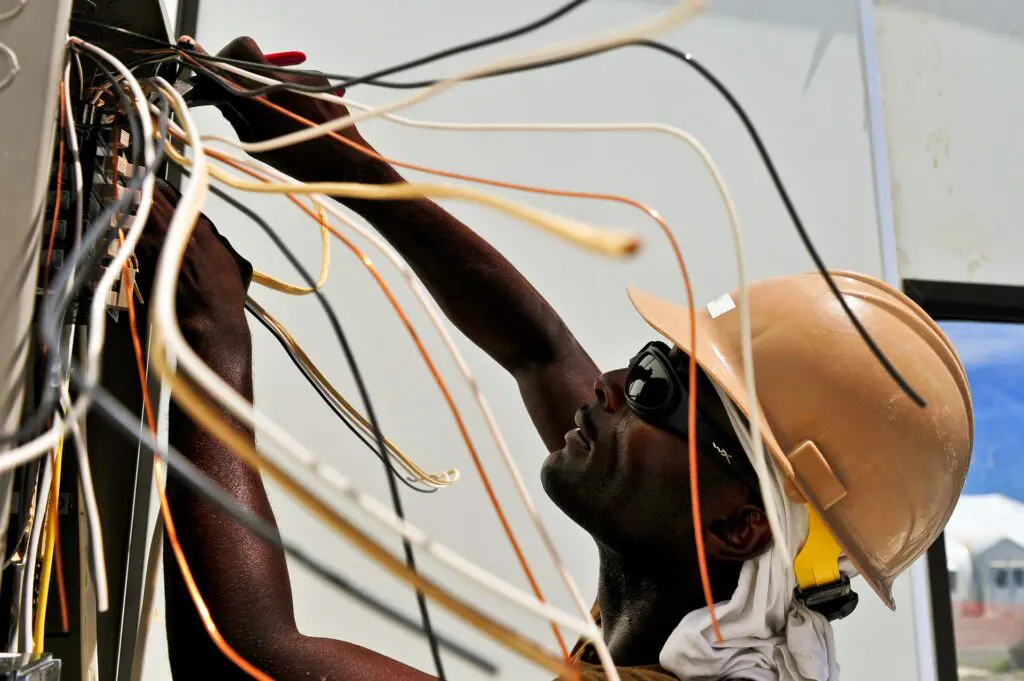 According to the Occupational Safety and Health Administration (OSHA), wiring issues that result in electrical shocks are among the most common and deadly standards violations. While not as frequently deadly as falls from roofs or ladders, electrical shocks are especially dangerous since they are not always easy to detect. In movies and TV shows, we see visual representations of electrical hazards as loose wires sparking violently or glowing bolts of electricity spread throughout pools of water.
Construction Companies Can Save Lives with Proper Fall Protection
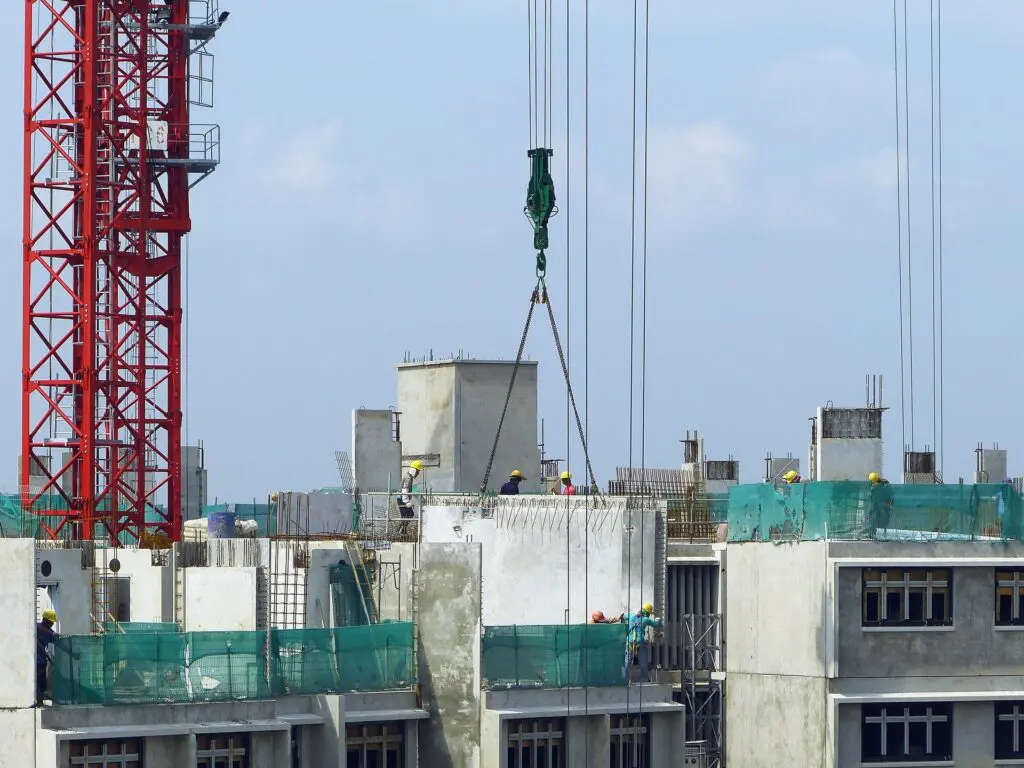 According to the Occupational Safety and Health Administration (OSHA), fall protection is one of the most commonly overlooked safety procedures at construction sites. Because of this, falls tend to result in more serious injuries and deaths than any other type of accident for construction workers, yet these accidents are almost always avoidable.
Stay Safe: Machinery Can Injure, Maim, and Kill
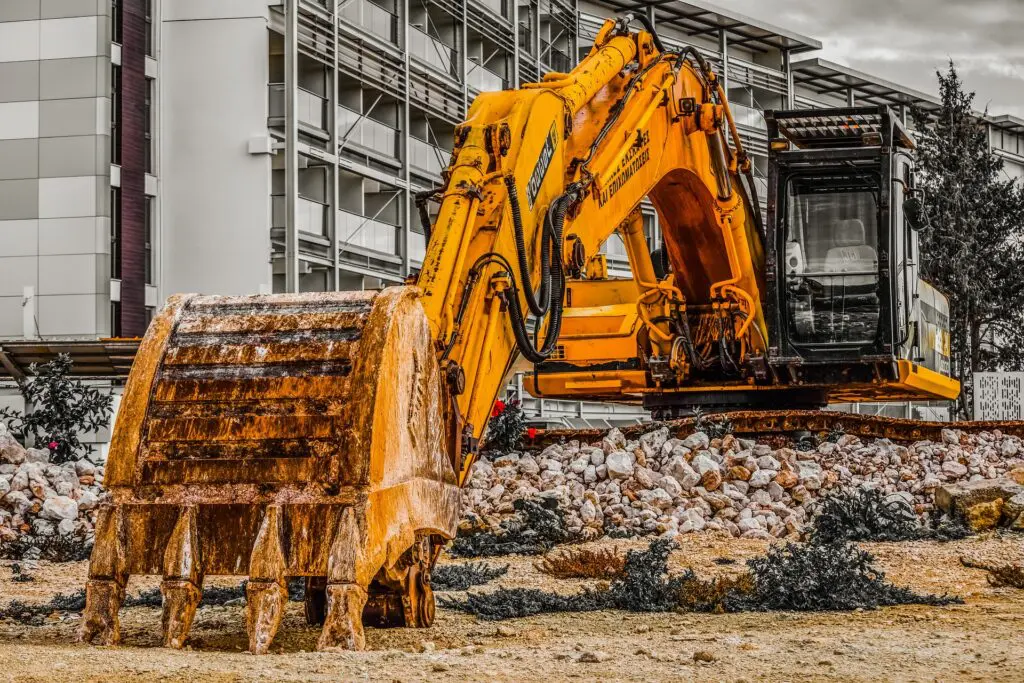 Working with powered machinery is a daily part of the job for millions of people in the U.S. They are particularly vital for industries such as construction and manufacturing. When used safely, machines pose only minor threats to employees.
These devices, however, pose a very real danger when not handled properly or set up safely by employers. The use of machine guarding, for example, can help reduce the unacceptable number of accidents every year; accidents that typically result in very serious or fatal injuries. Knowing where injuries can occur (and how to remain safe around those locations) is the key to avoiding accidents and harm.
Forklifts Pose a Serious Threat to Employee Safety
 The use of forklifts and similar powered industrial trucks is quite common on a lot of job sites. These vehicles make it easier and faster to move building materials and other heavy objects, saving dozens or even hundreds of man-hours when compared to the use of a hand-truck or other method of transport.
However, such vehicles present a very real danger both to the driver and to those around the forklift. Proper training and following best practices not only prevents serious accidents that can be quite costly, but also saves lives.
Ladder Hazards and Construction Safety
 Ladders are a necessary tool at many job sites, and such frequent use can make it easy to forget that ladders pose some serious dangers. Falls are among the most common workplace accidents in the United States, and falls from ladders are worse than mere slips and falls.
It is important for businesses to provide their workers with ladders that are in good condition, designed for the right use, and replaced as needed to keep everyone safe. When basic safety standards are not met, serious accidents and potentially fatal injuries can occur.
Don’t Lose Control of Hazardous Energy
 A lack of proper control over potentially hazardous energy on a job site, especially in construction and manufacturing, is a huge danger. Fortunately, the Occupational Safety and Health Administration (OSHA) has established guidelines that businesses and employees can follow to reduce the danger of serious injury or death. But when these guidelines are not followed, people end up seriously harmed by electrical discharges or active machinery.
The Looming Danger of Scaffolding Accidents in New York
 Although scaffolding is a problem to people throughout New York City, construction workers are in the greatest danger of scaffold accidents. Scaffolds are commonly used at construction sites to let workers reach raised areas to do electrical, carpentry, and plumbing work, as well as to give welders access to areas they cannot normally reach. When used properly, scaffolds are an integral part of the construction industry.
It’s Time to Focus on Fall and Drop Protection
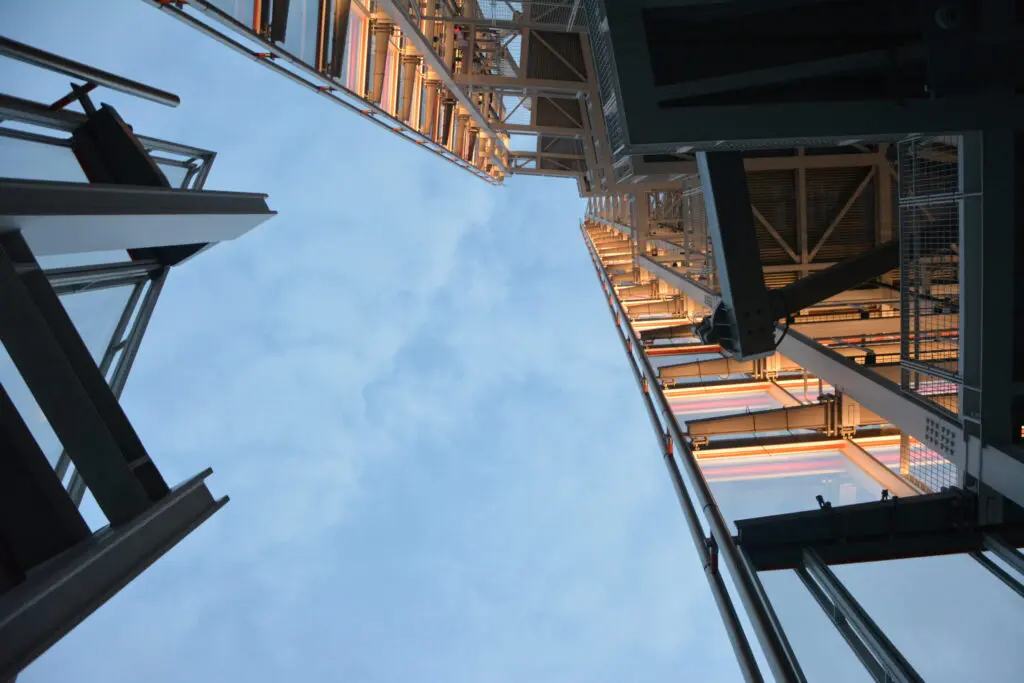 Falls are the leading cause of death at construction sites, which are already the most dangerous workplaces for Americans. Fall protection can be improved and OSHA provides guidelines on how it can be done; companies simply need to follow those steps to keep their workers safe. Drop protection, however, is often overlooked, yet thousands of workers are struck by falling objects every year.
Falling Ice: NY’s Winter Weather Hazard
 Spears of ice and chunks of rock-like snow hurtling down from towers high above may seem like something out of a fantasy novel, but for New Yorkers, it is a winter reality.
The Benefits of Respiratory Protection
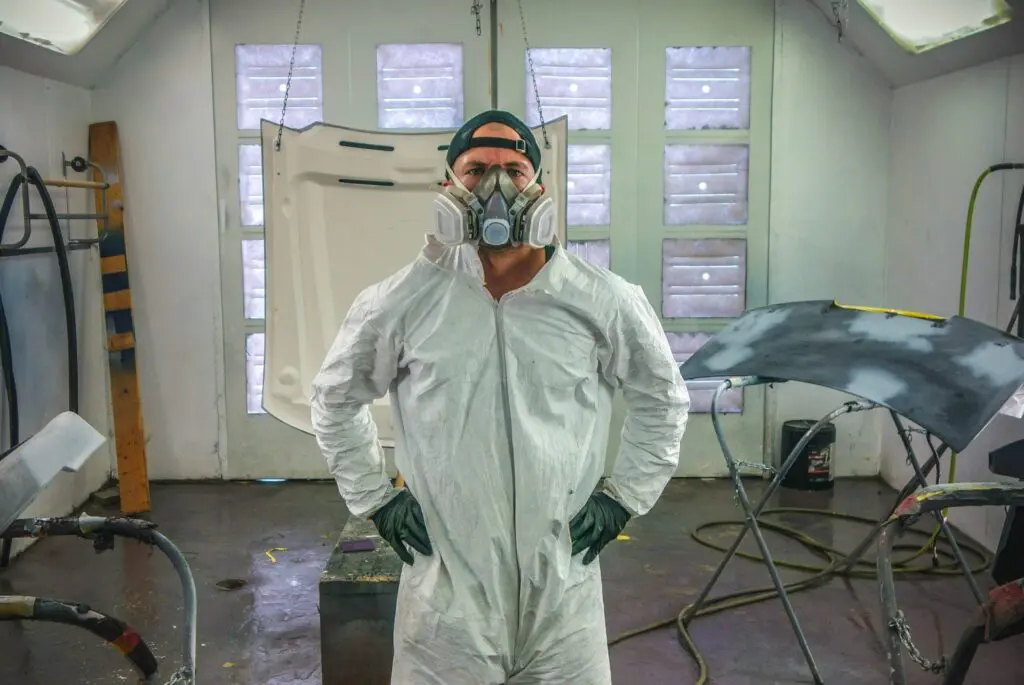 Respiratory protection. In construction and other heavy industries like manufacturing, it’s not only required by law, but can help prevent costly, painful, and potentially fatal illnesses. Using the right respirators at all times has greatly reduced many of these illnesses, but proper protection must continue to be enforced. When employers don’t comply, they assume the legal—and moral—consequences.