
Safety Tips for NYC Masons
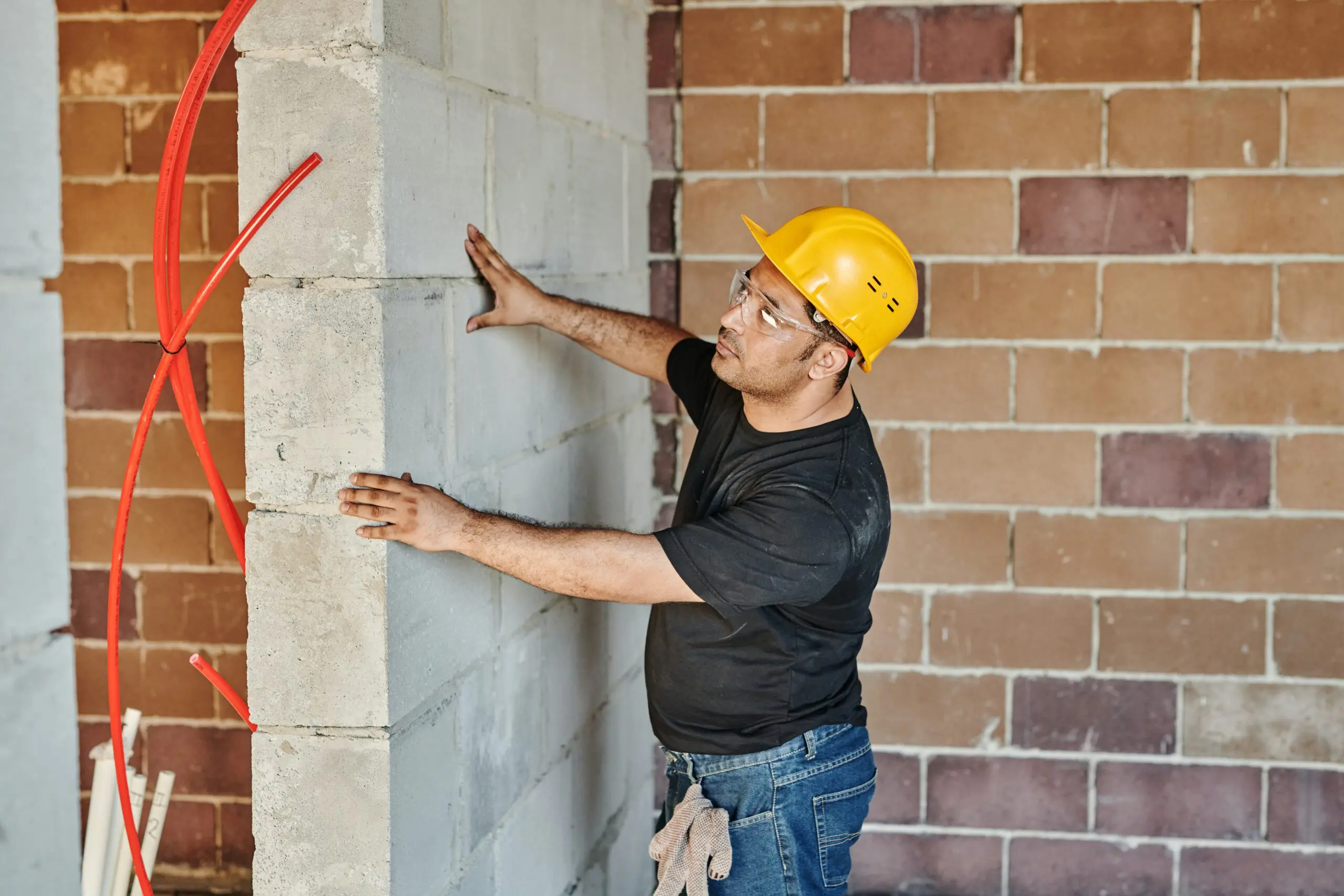 Masonry is a very important trade, not only for the construction industry, but for everyone who lives in America. This trade involves building structures using bricks or concrete blocks and mortar. Expert masons have the skills to lay them perfectly for a quality finished product. Masonry is essential because it is necessary to build the structures we live and work in today. Masonry construction has several important advantages for building owners:
How the Labor Shortage Makes Construction Workers More Likely to Get Hurt
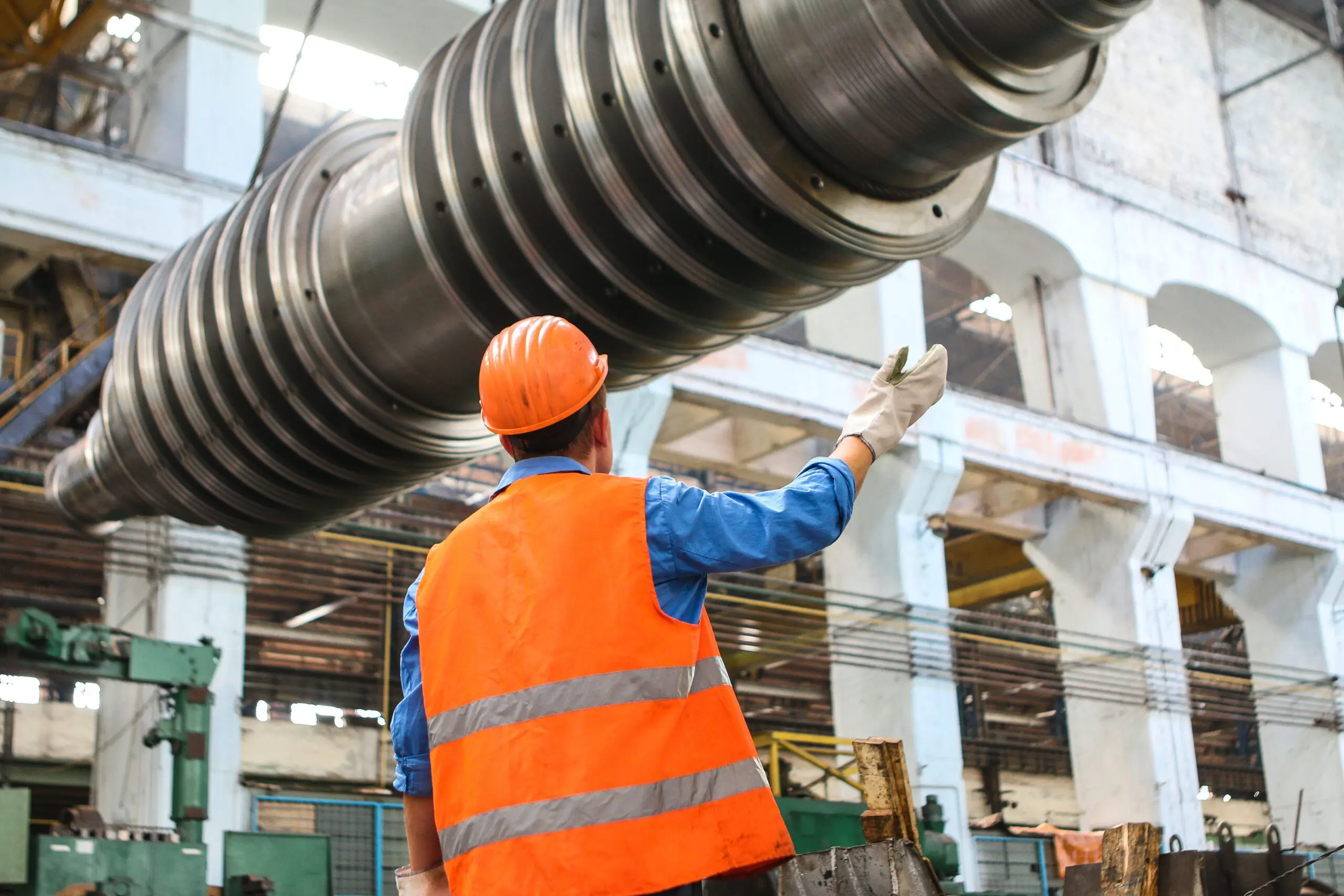 The global pandemic created a major disruption in the nation’s labor force, commonly known as “The Great Resignation.” More than 47 million workers quit their jobs in 2021, as stated by the U.S. Chamber of Commerce. Although hiring rates have picked up since then, many workers who previously resigned in search of better compensation, work-life balance, and flexibility were rehired elsewhere.
Compartment Syndrome and NYC Construction Worker Health
 Compartment syndrome is a painful, potentially serious condition. It can develop with bleeding or swelling within a muscle compartment (an enclosed bundle of muscles). A thin casing of connective tissue known as fascia surrounds each group of muscles in the arms and legs, together with nerves and blood vessels. Fascia does not expand. When swelling or bleeding causes pressure to build within the compartment, it can restrict blood flow to the area, potentially damaging muscles, and nerves.
NYC Department of Buildings Considers Using Drones for Safety Inspections
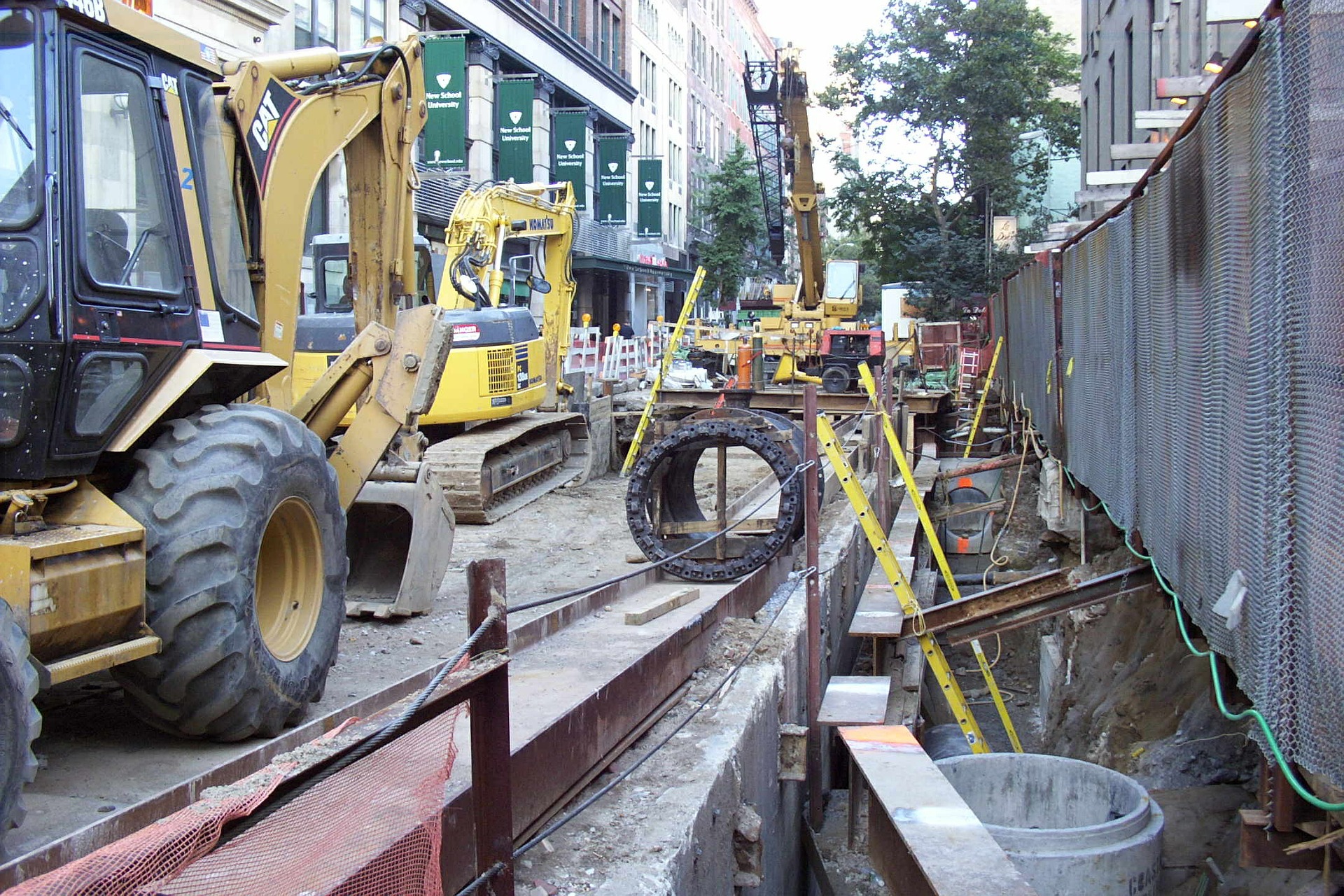 The New York City Department of Buildings (DOB) is seriously considering using drones for building inspections. The department has released a report which states, “Our report is the product of intensive research by DOB experts and finds that when combined with traditional hands-on examinations, the effective use of drones could potentially result in more comprehensive building inspections, resulting in reduced inefficiencies and a safer New York City,” as reported by Engineering News-Record New York.
Worksite Dangers Unique to Demolition Workers
 Construction is an inherently dangerous industry, and demolition is one of the most dangerous jobs in construction. Destroying existing structures can be a treacherous activity. Nevertheless, many demolition accidents could be avoided if employers planned ahead to protect their employees, provided proper safety equipment, and trained workers on its use.
The Laws Surrounding Hand-Propelled Vehicle Safety on NY Worksites
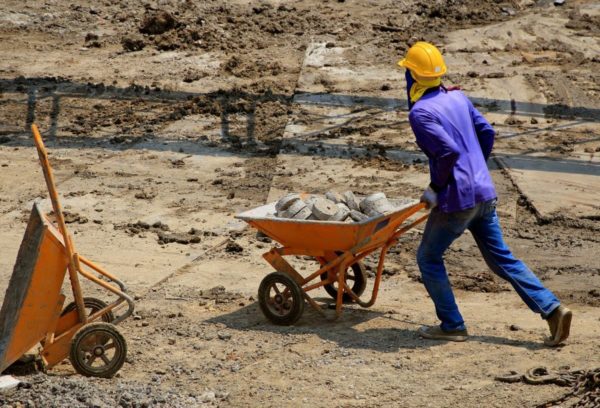 There are several laws and regulations in place in New York State that govern the safety of hand-propelled vehicles on worksites. These laws are designed to protect workers from injuries that can occur while using these vehicles and ensure that employers provide a safe and healthy work environment.
Some of the critical provisions of these laws include requirements for training workers who will be using hand-propelled vehicles and for maintaining these vehicles. Employers are also required to provide workers with information about the risks associated with using these vehicles and taking steps to mitigate these risks.
Scaffold Safety Law: The Battle of New York
 In recent years there has been a great deal of debate over the importance of the Scaffold Safety Law. There are advocates on both sides, and arguments about money and insurance, about how to keep New York’s construction industry booming, and how to keep workers safe. Wading through all of the arguments can be overwhelming, which makes apathy toward the issue an easy response.
Ultimately, we believe in whatever keeps workers safe and holds employers responsible for safe worksite conditions.
Defective Safety Belts Could Have Caused Your Fall
 Construction workers are at a high risk of death due to falls from heights. In fact, data from the US Bureau of Statistics shows that 33.5% of construction worker deaths occur due to falls. Construction companies must take measures to protect their workers from falls, and workers must be aware of the dangers of working at heights. However, some construction companies do not take responsibility for the safety of their workers.
The Most Common Workplace Welding Injuries
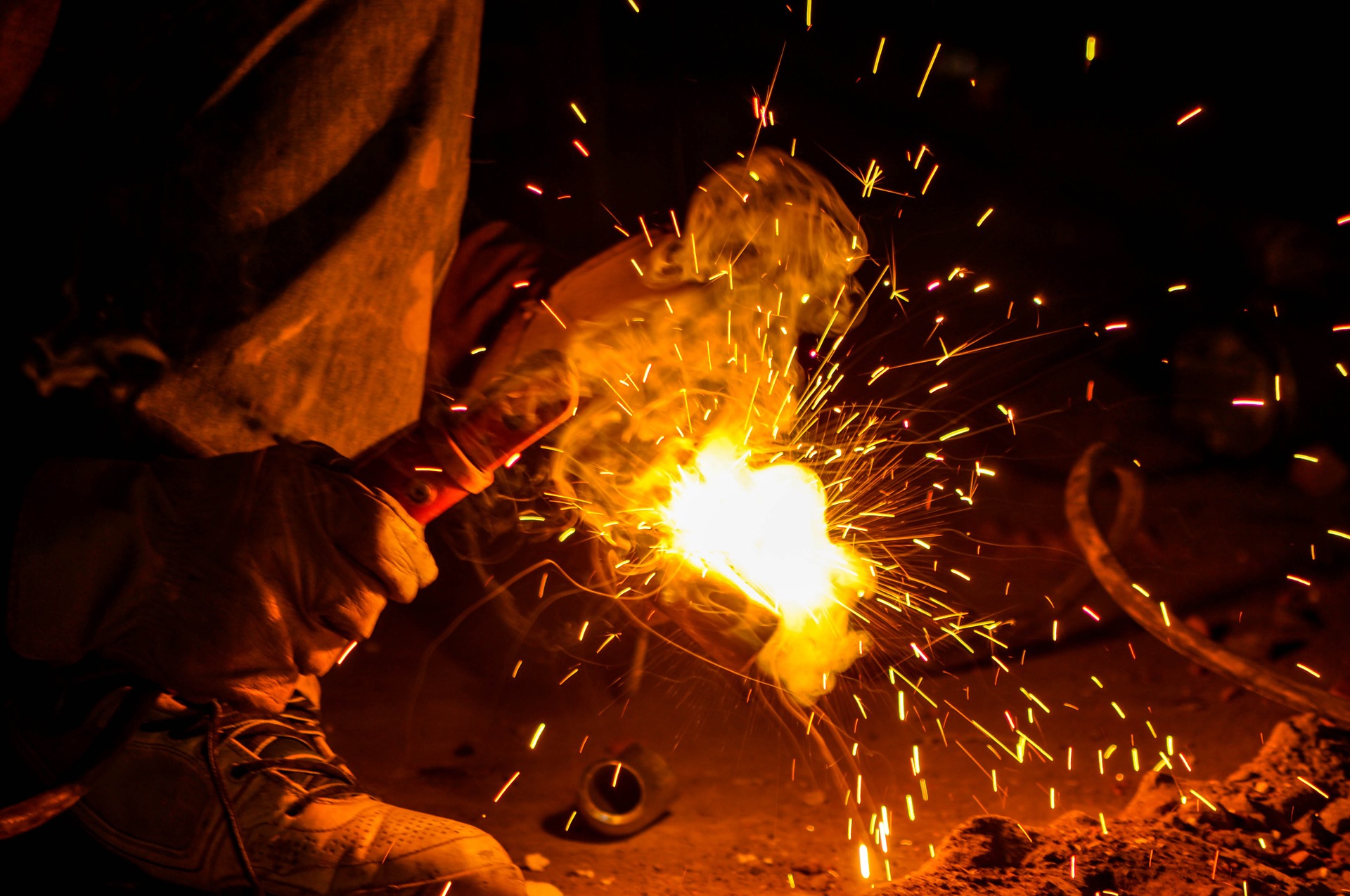 Welding injuries are pretty common in the workplace and can be severe. The most common type of welding injury is a burn, which can be caused by the heat of the welding torch or the hot metal. Welding burns can be excruciating and sometimes require healing skin grafts. Another common welding injury is an eye injury caused by the bright light of the welding torch or flying sparks. Eye injuries can be severe and can sometimes result in blindness.
What Do I Do When a Coworker Causes My Injury?
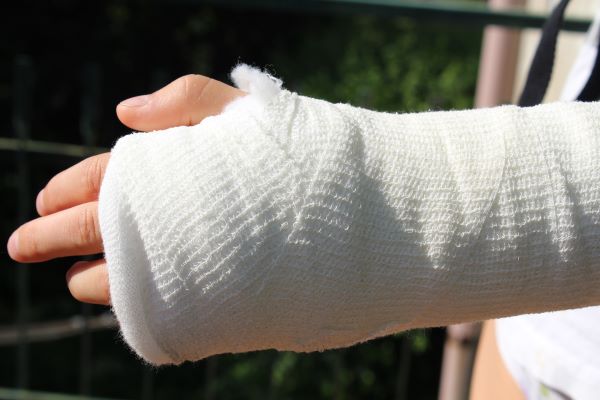 If a coworker caused your injury, you may be concerned about your right to workers’ compensation benefits. The workers’ compensation program is a “no-fault” system. If you are injured on the job in New York City, you have the right to benefits, but sacrifice your right to file a lawsuit, unless the employer has committed acts of gross negligence. If a coworker’s actions led to a serious injury while performing tasks at work, you have the right to workers’ compensation benefits.